
















When asked if they offered shoppers great value, very few retailers would put their hands up to say no. But customers often have a very different idea of what great value is, and which retailers offer it. Thanks to data shared with Retail Week by OC&C, we can reveal the 150 UK retailers that Brits think offer the best value.
Being the retailer that Brits think offers the best value is an enviable position in the midst of a cost-of-living crisis, and Card Factory holds that position, according to the ranking.
Its cheap and cheerful offer of greetings cards, many of which are priced at less than £1, has hit the mark with value-conscious shoppers looking to save while still celebrating important moments and milestones.
Although Card Factory certainly offers low pricing, good value isn’t always seen as just being the cheapest, says OC&C Strategy Consultants retail partner Matt Coode.
“While value is a much more all-encompassing view of the balance between price paid, and the quality and experience of buying the product, many consumers still heavily associate value ratings with price,” he says.
“It is an interesting trend that while we live in a time when consumers are more spend-conscious, they are not universally swayed by accessing the cheapest solutions. There continues to be a trend of ‘fewer, better’ in how people buy, and also a lack of willingness to compromise on shopping experience or product quality to access the most competitive prices.”
Secondhand marketplace Vinted takes second place, but it’s hot on the heels of Card Factory, now just one point behind. Vinted has seen soaring success in recent years, taking the UK fashion industry by storm, and it’s now steadily taking over other categories as Brits hunt for bargains.
The marketplace claims that last year its members saved £18.6bn on fashion alone, and paid 72% less than the average price. It said it also benefitted from what it calls “Vinted Math”, where shoppers consider the savings of buying an item secondhand as opposed to new, as well as the price they’ll be able to resell it for on the platform – making the purchase much more appealing than forking out for it elsewhere.
Vinted UK chief executive Adam Jay says: “When 88% of UK Vinted buyers check Vinted before buying new, and more than a third of sellers think about resale value before they buy, it shows people are changing not just where they shop, but how they value what they own.”
“For me, the interesting shift is that people are starting to think about value before, during and after a purchase – what they can save today, and what an item could be worth to someone else tomorrow.
On the high street, most fashion retailers have seen a drop in their score, with most consumers agreeing that Vinted and ultra-cheap Shein offer better value than Primark, Shoe Zone, New Look, Matalan, and more. The list also includes Zara, but it’s among the retailers that have improved their position in the ranking most, up 44 places, putting it level with rivals H&M, Asos, and Mango.
Supermarkets
Shoppers have been feeling the pinch in the areas where inflation is most rampant, and food and drink have faced the brunt of it within retail.
The best value supermarket, according to the ranking, is Lidl, which lands in third place overall. Aldi is just one point behind, followed by Asda, a few points behind.
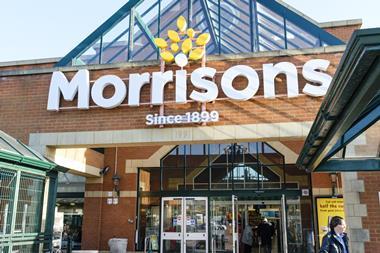
Morrisons, Tesco, M&S, and Sainsbury’s come further down the list and Waitrose and Co-op don’t appear until the very end.
The supermarket with the most-improved ranking is Asda, up five places, suggesting that the return of Rollback may be cutting through among a host of other pricing work it has been implementing. Other than Aldi, all other supermarkets saw a score improvement, with Waitrose seeing the most dramatic score improvement.
Not all retailers that feature high on the list have necessarily seen the benefit of their value perception play out in their financial performance. According to Coode, some retailers aren’t getting the credit for the value they’re offering:
“Pricing has come under the spotlight as consumer wallets have come under pressure,” he says.
“The retailers that we have seen be most successful have been those that have been able to maintain simplicity in how they have delivered value back to their customers – building trust and awareness. Those who have materially dialled up promotional intensity, and particularly as this has driven a lot of ‘layers’ to the discounting offered, have struggled more, not getting credit for the aggregate value they are offering, and compressing margins without delivering on volume growth.”
Where retailers are seeing returns, however, is when they’ve focused on more targeted pricing and value actions, he says.
“Retailers have started to connect how they provide access to value to their loyalty and CRM programmes, and put in place much stronger measurement, to allow them to not over-invest where it does not deliver the right short or long-term payback.”




No comments yet