










Two thirds of retail CFOs are planning price rises in response to changes to employer National Insurance contributions, according to new data published by the British Retail Consortium.
Price rises will only be one part of the toolkit for some, with over half saying that they would cut hours and head office staff. The industry body surveyed 52 finance heads at some of its leading members late last year.
This reflects the negative sentiment among executives, with 70% of survey respondents saying they were “pessimistic” or “very pessimistic” about trading conditions over the next 12 months.
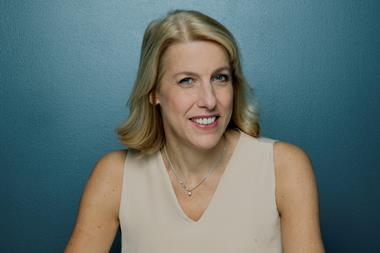
BRC chief executive Helen Dickinson said “retailers have worked hard to shield their customers from higher costs, but with slow market growth and margins already stretched thin, it is inevitable that consumers will bear some of the burden.”
In terms of what those price rises might look like, finance teams at top retailers expect food costs to be the primary driver of inflation.
A forecast created out of the chief finance officer survey suggests a possible shop price inflation of 1.8% for 2025, with food prices rising by 3.5% and non-food prices flat year-on-year.
This gloomy picture comes despite a bumper Christmas sales season for many retailers. Tesco, M&S, Lidl, Mamas & Papas, and The Cotswold Company are among those that have reported strong growth or best-ever Christmas sales
The BRC numbers match-up with a new survey by Grant Thornton’s business outlook tracker, which revealed 54% of firms said they would need to hike prices for customers due to higher employment costs from the the Budget.
With this in mind, Retail Week looks at which retailers have spoken about potential price rises in 2025 as they look to mitigate costs.
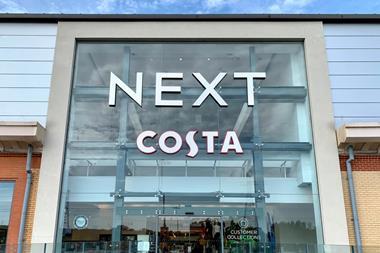
Next
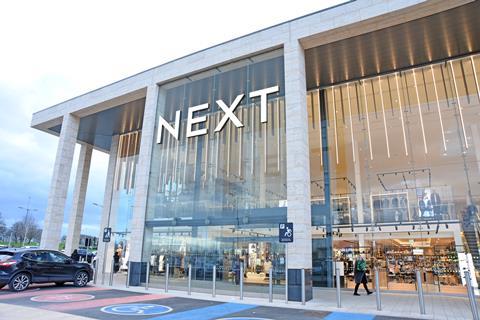
Posting a 6% increase in sales and adding £27m to its full-price sales in the nine weeks to December 28, Next yet again pulled off an impressive trading period.
Despite increasing its full-year profit guidance by £5m to £1.01bn, the high street behemoth announced it will add “unwelcome” price rises to balance its estimated £67m in increased wage cost following the Budget.
It’s also expecting to pay £11m to workers currently earning the national living wage (NLW) as well as paying £10m in raising workers wages for those currently paid more than the NLW.
In a statement to the markets, Next said it plans to offset the added costs through: “operational efficiencies and other cost savings, and a one percent increase in prices on like-for-like goods, which is unwelcome, but still lower than UK general inflation.”
Greggs
Greggs announced it surpassed £2bn in sales during the 2024 financial year, but upcoming cost pressures mean it will have to increase the price of some goods.
Chief executive Roisin Currie admitted that to cope with inflation pressures, the bakery chain will have to pass a “minimal amount of price rises on to customers” potentially in the “5 pence to 10 pence sort of range”.
Speaking to the press, she added that Greggs is focused on protecting its value proposition and that the national living wage increase can be positive.
“The national living wage should put more money into the consumer’s pocket. So, therefore, in terms of the economy growing, that should be a key piece that really helps us to grow across this year.”
Marks & Spencer
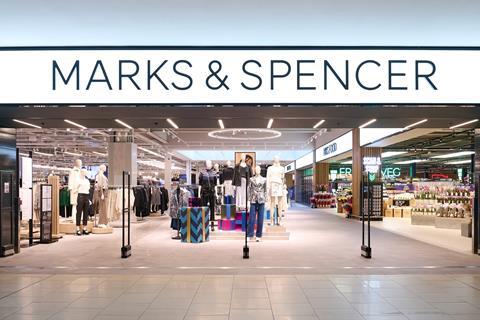
Recording “another good Christmas”, Marks & Spencer reported a 5.6% growth in total group sales to £4bn, yet challenges from the Budget may rear its ugly head.
In a call to the press, M&S interim chief financial officer Jeremy Townsend said inflation pressures are increasing in the market and the retailer will do “everything we can to offset those.”
He continued: “We’ll be looking to hold our clothing prices as flat as possible, and we’ll inflate behind the food market.
“I think what we’re looking at in the UK is some challenge around input cost increases, but we’ll do everything we can to offset that and look to pass on as little of that as possible.”
Chief executive Stuart Machin said to offset these cost pressures, it will have to sell more and more. He emphasised that the continuous focus on growth is “critically important” going forward.
Seasalt
Another good performance over Christmas as Cornish retailer Seasalt saw total sales grow 10% year on year in the five weeks to December 30.
Chief executive Paul Hayes said this success came “in spite of the current economic environment”.
He anticipates “cost pressure” in 2025 stemming from the Budget, and is focused on cost management to drive growth.
Hayes told Retail Week that he is “very aware” of the cost of living pressures on customers and the effects of passing on price increases as a “measure to counterbalance” the Budget.
“Within the business, we are considering a whole host of measures to mitigate the impact of the recent Budget so that it doesn’t simply fall to our customers to carry the burden,” he said.
“This includes our usual price reviews, along with a heightened focus on cost management in order to achieve our ambitions this year, maintain the strength of our business and brand and drive profitable growth.”
Tesco
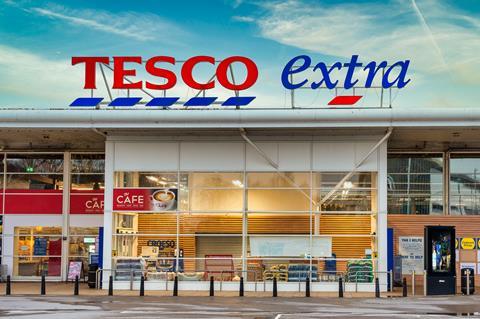
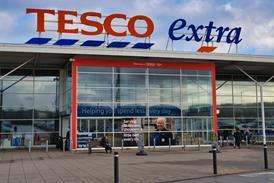
Hailing its “biggest ever Christmas”, Tesco saw shoppers flock to its stores and website for festive food.
For 2025, chief executive Ken Murphy said the retailer is looking at an approximate extra cost of £250m a year once the national insurance contribution rise takes hold.
To combat this, Murphy said it has started negotiations with its partners over specific wage rises, but this won’t be finalised for a couple more months.
“We need to look at a couple of things that pertain particularly to Tesco as opposed to the wider environment,” he said.
“This year we’ve seen a headline rate of inflation above 3% from Kantar – our rate of inflation in Tesco was considerably lower than that.”
While not confirming price rises for customers, Tesco hasn’t ruled them out either.
Sainsbury’s
A solid Christmas performance has meant Sainsbury’s will become the best-paying UK grocer from March as it will raise pay for hourly-paid colleagues by 5%.
However, this will be split into two separate increases to manage what chief executive Simon Roberts called a “particularly tough cost inflation environment.”
During a call to the press, Roberts said the national insurance changes are “unprecedented” and will bring “inflationary pressures”.
“We said in November we’re going to do everything we can to mitigate the impact but there’s no doubt a lot of inflation building in the system, especially in fresh food.
“Inflation is rising faster in fresh food than elsewhere. The cost pressures coming at the industry have substantially stepped up.”
Time will tell if Sainsbury’s has to introduce price rises as food inflation climbs back up.
As we get closer to April, expect to see more price hikes from businesses and customers holding on to their purse strings as a result.


No comments yet