






Grocery inflation slowed again in June as record temperatures in May helped drive grocery sales.
Like-for-like grocery inflation slowed to 3% in the four weeks to June 14, and sales increased 2.4% according to data from Worldpanel by Numerator.
It said the easing inflation offsets “concerns about the impact of the conflict in the Middle East filtering through to Britain’s supermarket shelves”.
The growth in sales arrived when the UK saw its hottest May day on record as temperatures soared and drove demand for suncare, beef burgers, prepared salads, and dips as more customers made use of the barbecue.
No and low-alcohol drinks sales were up 23% and outpaced the wider beer and cider category, while syrups for water grew 31% in sales following online viral trends.
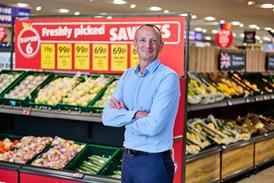
Worldpanel by Numerator head of retail and consumer insight Fraser McKevitt said: “There’s something very British about the way a heatwave changes the weekly shop, and shoppers didn’t need much encouragement to fire up the grill and turn to al fresco dining this time around.
“Barbecue staples performing well and shoppers turning to healthier options are a common summer trend, and we can expect to see this continue over the rest of June and into July, with the warm weather forecast to continue.”
The men’s World Cup kicked off in these four weeks, as certain football staples such as pizza, snacks, beer, cider, crisps, and chilled pizza saw their highest promotional activity in June for five years.
The share of grocery spending on promotion rose for the 39th consecutive month, as 30.4% of all sales are now on a form of deal. Combined online grocery sales also rose 9.1%.
McKevitt added: “Nearly a third of all grocery spending is now on promotion, and that upward streak shows no sign of breaking. Combined with strong online growth, it points to shoppers who know what they want and are increasingly confident about where and how to find the best deal. In short, retailers are having to compete hard for that summer shop.”
Battle of the grocers
Lidl, which became the fifth-largest UK grocer by market share, kept up its momentum and attracted another half a million additional shoppers in the 12 weeks to June 14.
The discounter also had the greatest increase in market share out of any retailer this month, rising to 8.7% and up by 0.5 percentage points.
Co-op returned to market share as a cyberattack in 2025 affected its figures. Market share reached 5.3% from 5.2%, with sales growing by 2.7%.
Ocado continued to be the fastest-growing grocer as sales grew 13.5% in the 12 weeks to June 14, 2026, compared to last year. Its share rose by 0.2 percentage points to 2.2% of the market.
Sainsbury’s grew ahead of the market over 12 weeks with its market share edging up 0.1 percentage points and spending up 2%.
The UK’s largest grocer, Tesco, holds 28% market share as sales grew 1.2%. Morrisons remained flat year on year at 8.4% as sales rose 1.4%.
Asda maintained its 11.5% market share, while Aldi now has a share of 10.7%.
Waitrose sales grew 1.7%, Iceland sales increased 2.2%, and M&S grocery sales hit double digits at 11.7%. Both Waitrose and Iceland maintained their market share at 4.5% and 2.2% respectively.
No comments yet