












Amazon has called time on Fresh, its bricks-and-mortar grocery c-store chain. Retail Week analyses why the format never caught on in the UK and what it means for Amazon’s grocery ambitions in one of the world’s most competitive markets.
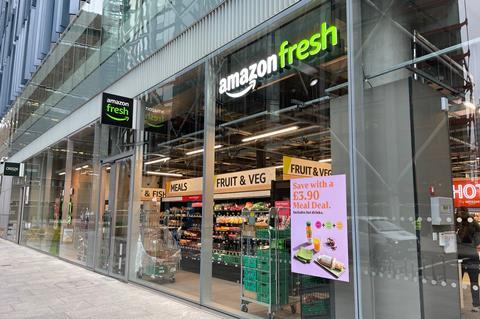
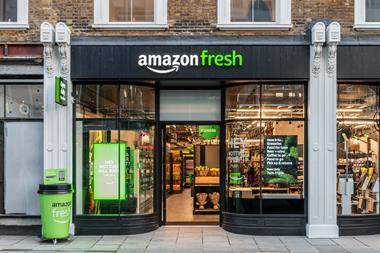
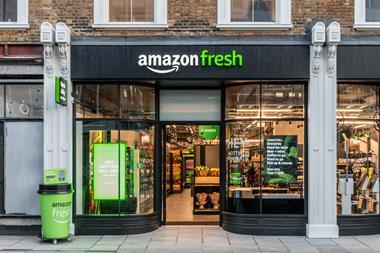
On a crisp, late winter’s morning in March 2021, Retail Week joined the thronging crowds in Ealing, West London for the opening of the UK’s first Amazon Fresh store.
Despite opening in the middle of yet another London lockdown, the queues for the new store were out the door as customers flocked to see what the long-rumoured shop was like.
The 2,500 sq ft store, powered by Amazon’s patented ‘Just Walk Out’ technology, had been hotly anticipated. Many City analysts and grocery insiders saw the opening as the first of many and the true beginning of the tech giant’s assault on the UK’s established food retail order.
However, it never really came to pass.
Less than five years on, Amazon has put an end to the experiment. As revealed by Retail Week, the giant has decided to shut the 19 Fresh stores still on its books, putting potentially hundreds of jobs at risk.
While five of the locations will become Whole Foods shops, the remaining 14 will be closed permanently.
Amazon UK and Ireland country manager John Boumphrey insists this doesn’t mean the end for the retail giant’s grocery business in the UK, and that it’s still “fully committed”. It will retain a decent presence in the UK, given the retailer now comes under the jurisdiction of the Groceries Supply Code of Practice – meaning its UK food sales overall total at least £1bn annually.
But it does mark the closure of a major chapter for the business – one that started with ambitious plans to upset the established names in food retailing in the UK and ended, despite the retail giant’s innovative technology and bottomless pit of money, ultimately in failure.
Why did the format not work out in the UK and where next for Amazon’s UK food ambitions?
Just walked off
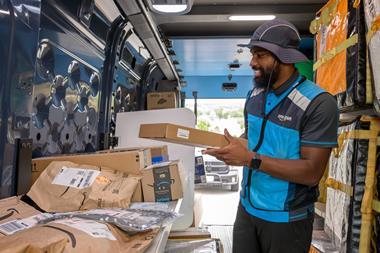
Amazon’s involvement in the UK’s fiercely competitive grocery market stretches back to 2008 and it has long-standing delivery partnerships with established UK names such as Morrisons, the Co-op and Iceland, and a rapid delivery tie-up with GoPuff.
The retail giant also operates six Whole Foods stores in the UK and launched its own grocery ecommerce channel in the UK in 2016. The debut of Fresh was intended to be the next, and most ambitious, step yet into UK food retailing.
Insiders at Amazon in 2021 said the retailer was betting on several factors to make the launch of Fresh a success: notably that convenience food shopping during the pandemic was growing at a rapid rate, but that the format would also work for workers returning to city centre offices once restrictions were relaxed.

There was also a belief that the retailer’s patented ‘Just Walk Out’ technology was, in many ways, the apotheosis of convenience retailing and that customers would love the frictionless experience.
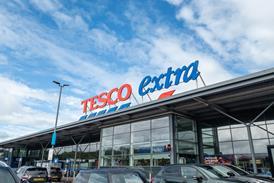
The launch was enough to spook the UK’s two biggest food retailers, Tesco and Sainsbury’s. By the end of 2021, both had piloted just-walk-out stores themselves, both in London’s Holborn.
However, much like with Amazon Fresh, the concepts never really took off and both mothballed the trials within a few years.
“The whole concept was built on the flawed premise that customers felt self-checkout tills weren’t already convenient and quick enough,” says one grocery expert.
“For the vast majority of people who are just trying to pick up a pint of milk, some bread, and some fruit, scanning the products and tapping your card isn’t a huge imposition”.
Amazon itself seemed to agree, quietly rolling out self-checkout tills to Fresh stores in November 2023.
With the lure of the technology not proving strong enough to grab, or at least hold, customers, experts also say that for all its brand recognition and size, Amazon was always fighting a losing battle in the UK as a food retailer.
“Amazon maybe overestimated its ability to win customers off the established grocers,” says another industry source. “Yes, they invested in an own-brand offering, but it was never anything special or different to the competition. Yes, they invested in stores, with a long history in the UK grocery market, but the tech alone wasn’t enough, and they never had the estate to make a dent.
“When you think groceries in the UK, your first thought isn’t going to be Amazon,” they continue. “It’s Tesco, it’s Sainsbury’s, or the Co-op, or whatever. People grow up shopping there. Their parents shopped there. Their grandparents. Amazon misunderstood just how insurmountable a challenge changing people’s perceptions and habits was going to be”.
End of the experiments?
Despite being in operation since 2008, Amazon has never come close to cracking an even 1% share of the grocery market sales, according to Worldpanel. By comparison, other comparatively new entrants – German discounters Aldi and Lidl – now account for 19% of the total market and are growing all the time.
Having now abandoned its Fresh stores, Amazon says it will instead refocus on its UK ecommerce grocery business.
It has plans to overhaul the UK food business by doubling the number of Prime subscription members who will have access to its partner grocers and will introduce fresh groceries to its own ecommerce site from next year.
“Since 2008, we’ve worked hard to innovate to help our customers save time and money when shopping for groceries and household essentials,” Boumphrey said.
“We continue to invent and invest to bring more choice and convenience to UK customers, enabling them to shop for a wide range of everyday essentials and groceries with low prices and fast delivery through Amazon.co.uk, Amazon Fresh, and Whole Foods Market stores, alongside our third-party grocery partners including Morrisons, Co-op, Iceland, and Gopuff.”
Since 2020, Amazon has been using the UK as a test bed for all sorts of store experiments such as the 4-star non-food store formats outside of the US. All have ended in failure.
While it’s not walking away from the UK, could the final collapse of Fresh be the death knell for its bricks-and-mortar experiments?
“I don’t think so,” says one retail property expert. “They’re a savvy business that has significant size and capital to deploy and trial new ideas. Fresh was probably a significant investment that hasn’t worked out, but not when you compare it to the size and scale of the business globally.
“That’s ultimately what the business model is about. They’ll keep trying things and learning from the failures.”



No comments yet