










The company reported strong grocery growth over the festive period, more than offsetting a fall in general merchandise and clothing.
Sainsbury’s reported growth of 4.9% in the 16 weeks to 3 January, 2026, with grocery sales up by 5.4%. Trading during the final six weeks of the period was up by 4.6%.
This translates to a sixth Christmas in a row where the country’s second-largest grocer has posted market share gains. The latest Worldpanel by Numerator stats published earlier in the week had Sainsbury’s with a 16.3% share of the grocery market.
The company’s Christmas trading report said that Sainsbury’s was the “only major grocer to grow items in the basket”. A considerable part of sales growth this year has been inflation-driven due to elevated food prices, but Sainsbury’s said it had sold 20% more turkeys than last year during the peak Christmas week.
Much like its grocery peers, Sainsbury’s saw a big rise in its premium label products. It reported 15% growth in Taste the Difference fresh food sales, with its elevated own brand the fastest growing premium own label in the market.
It also reported market-beating online sales growth of 14%. NIQ reported earlier this week that three out of 10 households in the country did their Christmas grocery shopping online.
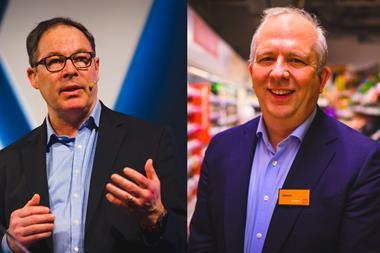
“When we strengthened our profit guidance in November, we said we planned to invest in the strength of our competitive position through the most important trading period of the year,” said chief executive Simon Roberts.
“We expected the market to become more competitive with customers spending more carefully and we invested in balanced choices to offer great value for money, outstanding quality and innovation and leading customer service and availability, both in-store and online.”
Despite the strong grocery performance, sales slipped in the supermarket’s general merchandise and clothing category by 1.1%. Sales at Argos also fell by 1%, meaning group like-for-like sales excluding fuel came in at 3.4% for the 16-week period.
Sainsbury’s cited “softer demand and milder weather” for the fall in clothing sales, but said that its Tu range still outperformed the wider market.
Falling sales at Argos came despite volume growth during the quarter. The trading statement said this was driven by muted spending on high-price items including furniture, heavy promotional activity and softness in the gaming market.

No comments yet