
















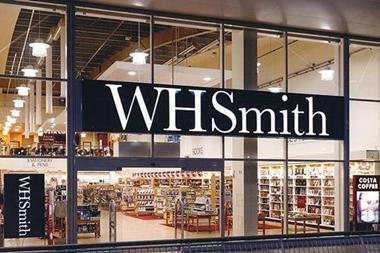
WHSmith saw its revenue rise across the business, but it is cautious about the outlook as conflict in the Middle East is set to disrupt summer travel.
In the 26 weeks to February 28, total group revenue was up 5% to £748m, with the UK at £392m, up 2%.
North America reported a total revenue rise of 5% to £204m, while the rest of the world saw a growth of 10% to £152m.
Group headline profit before tax did drop from £21m last year to £3m, with all divisions seeing a drop in profitability.
Current trading over the past seven weeks has seen revenue grow 2%, while the UK has delivered flat like-for-like sales following a “softening in air following disruption to flight schedules to the Middle East”.
Due to the current conflict in the Middle East, the group is cautious about its outlook as passenger numbers could decrease, as well as consumer confidence.
It sees no immediate improvement in consumer confidence ahead of the summer peak travel, and expects to deliver headline group profit before tax of £90m-£105m.
WHSmith executive chair Leo Quinn said: “The immediate focus is to restore confidence and ensure the right foundations are in place to support profitable growth and long‑term value creation.
“Moving forward, the Board and management team will have a relentless focus on driving cash, cost discipline, and strengthening the balance sheet. As a first step, the Board has taken the prudent decision to suspend the dividend.
“This is a business with a strong brand and proposition in high‑footfall travel markets, and the new flagship stores opened across Heathrow airport are raising the global standard for travel essentials retail.
“None of this is achievable without our people. Making sure our colleagues are empowered is a key priority, as engaged teams execute better, serve customers better, and drive higher performance over time.
“While the near-term outlook is uncertain, I am confident that, with the right focus and discipline, the business can deliver superior returns for the benefit of our colleagues, partners and shareholders over the longer-term.”





No comments yet