












Fashion giant Next has said it will implement “moderate” price increases in some international territories and pair them with “operational cost savings”.
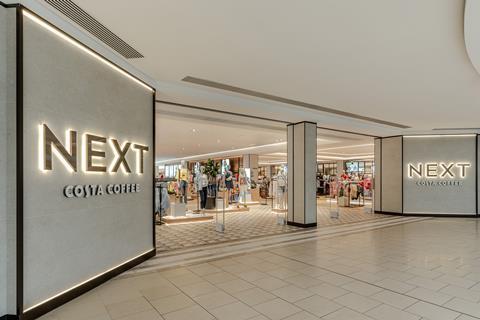
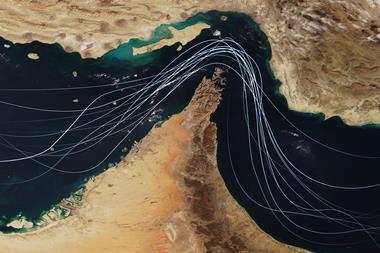
Its new guidance shows that the Middle East conflict will cost the business £47m, triple its previous guidance of £15m, though it laid out how these costs would be offset through price rises and cost savings.
Next said it was updating its guidance based on the assumption that fuel costs stay high and disruption to factories and global transport networks “neither worsen or improve.”
It added that price increases would not be above 8% in any territory, and in Europe cost increases have been offset by currency gains, meaning no price rises were needed. The UK will also dodge further price increases above a 0.6% rise already announced at the start of the year.
Next announced the news alongside another forecast-beating set of results.
Its Q1 figures show it posted a 6.2% increase in sales for the 13 weeks to May 2, 2026, higher than the 4% rise it had forecast
This translates to £28m more in sales than forecast and £8m more in profits.
Next attributed this to “exceptionally strong growth” in the first five weeks of its trading year, where sales were up by 11.8%.
It appears that without the Middle East conflict, Next’s results would have been even stronger.
International sales were up by 26% in the first five weeks of the year versus the year before, but that growth turned into an 8.9% fall in weeks six to eight as the war began.
International sales returned to growth in weeks nine to 13 as trade began to recover and delivery services returned to normal in the region. However, at 18.3% growth, this is still down on the blistering pace of sales increases seen at the start of the year.
Sales in the UK were better than expected, up by 4.4%, where Next had planned a 1.3% increase. Sales growth slowed as the weeks proceeded however, which Next attributed to strong sales last year in part due to “unusually warm weather”.

No comments yet