















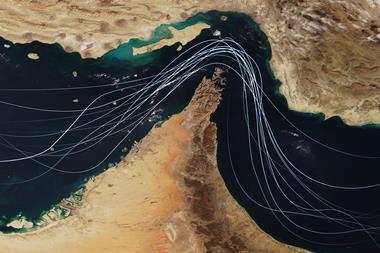
The British Retail Consortium has called on the government to combat “soaring domestic policy costs”, with four in five consumers worrying about the impact of the war in the Middle East on inflation.
New consumer data by the BRC has found that 80% of consumers are worried that the ongoing conflict in the Middle East will increase the cost of food.
The BRC said while it is inevitable that the conflict will lead to higher prices, the government must do more to act on the costs that are in its control.
It said retailers have absorbed £6.5bn in additional employment costs, a £1.6bn hit from the new packaging tax, and warned of further “imminent” regulatory burdens from the Employment Rights Act and the new nutrient profiling model.
“Unlike wholesale energy prices,” the BRC said. “These policy costs do not ease when global markets stabilise, because they are determined by government and regulators, not by supply and demand”.
As a result of this, the BRC and food retailers have reiterated calls they made to chancellor Rachel Reeves in April, calling for the removal of non-commodity energy costs, to delay the implementation of the nutrient profiling model and review the triple packaging levy.
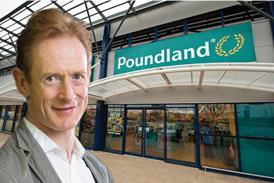
BRC chief executive Helen Dickinson said: “The Middle East conflict is driving up costs across the supply chain and families are right to be concerned. But not every pressure bearing down on retailers comes from the Gulf. Higher national insurance, packaging levies, new regulations, and business energy charges are all domestic policy decisions, made in Westminster, and they can be addressed there. Such action by the government would help retailers to keep prices affordable for households.
“Other governments are already acting. Germany has reduced electricity costs for businesses by moving levies off bills and EU leaders are actively discussing similar responses to this crisis. The UK should be moving in the same direction, not treating global instability as cover for inaction on costs of its own making.
“Retailers are working hard to hold prices down, but they cannot do it alone. Every cost the government chooses not to address is a cost that will find its way into someone’s shopping basket. That is a political choice, and it is one ministers still have time to change – but the window to act is closing.”



No comments yet