













As William Reed’s annual Sustainable September campaign comes to a close, here is the must-read data analysis, interviews, news and insight into how retailers and consumers are responding to the climate crisis.
Secondhand is first choice…for some
Vinted has become a dominant presence in the UK fashion scene, with Retail Week revealing earlier this year that the brand had become the country’s third-largest fashion retailer by number of customers.
Exclusive data from brand tracking platform Tracksuit revealed that high-income households are the most likely to shop secondhand, with over half of households earning over £80,000 have used Vinted, compared with 34% of those earning under £20,000.
In her column, Oxfam retail and trading director Lorna Fallon writes: “The secondhand revolution is not simply changing how people shop, it is creating new opportunities for retailers, partners and charities alike.”
Holland & Barrett gets more transparent
The health and beauty high street retailer published its first-ever sustainability report this year for its staff, suppliers and customers to understand the steps it’s making on becoming more green.
Its sustainability and impact director Jessica Long spoke to Retail Week about where the retailer is at in terms of Scope 3 emissions, net-zero ambitions, responsible sourcing, what is going well, and what can be improved. “We believe you can’t be well on a sick planet,” she says.
Fashion goes Dutch
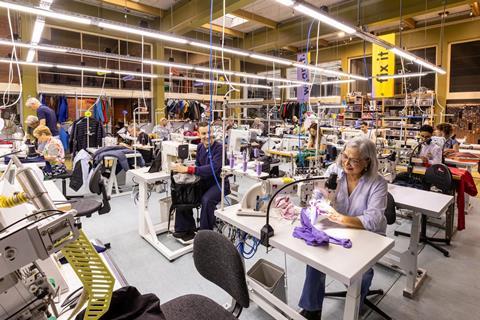
We went behind-the-scenes at Amsterdam-based clothing brand Martan, which is creating luxury fashion from discarded textile waste from the hotel industry (think used tablecloths and bed sheets).
The Dutch capital has ambitions to halve its use of new raw materials by 2030, and to be fully circular by 2050, which would make it the first city in the world to build a circular economy.
One of the most applauded circularity initiatives to come out of Amsterdam is the United Repair Centre, a social enterprise which partners with brands to repair clothing sent in by customers.
The food security challenge
Food, drink and ingredient manufacturing businesses are investing in standard operational technologies wrongly believing they will help them deliver more climate-resilient businesses.
According to a new report by Lumina Intelligence, 51% of food, drink and ingredient manufacturing leaders said that investment in robotics and automation now will deliver the best results in improving their business’ climate resilience.
Nearly half of the 250 respondents surveyed for the Climate-Smart Resilience report by Lumina said investment in digital supply chain platforms would have the greatest impact, while 43% said they believe artificial intelligence would deliver the best outcomes.
Retailers need to talk the talk
This could be the first year since 2017 that energy costs have been mentioned more times in UK retailers’ earnings calls than sustainability, according to AlphaSense data
About 41% of retailers’ earnings calls in 2026 mention energy costs, against 22% referring to environmental sustainability, according to data analysed by Retail Week.
Not feeling inspired?
Then take a look at what the winners of Green Initiative of the Year (Specsavers) and Responsible Retailer (Decathlon) from this year’s Retail Week Awards have been up to.
More stories you might’ve missed:
- Costs and supply chain disruption drive rise in UK retail sourcing from high-risk labour countries
- Lidl to invest £10m in EV charging network and rate reduction
- Ocado Retail announces expansion of sustainably focused ‘Future of Food Edit’ range
- Fashion climate emissions increased by double digits over two years
- M&S teams up with Levi’s for fashion supply chain renewable energy programme
- Marks & Spencer invests millions in lowering organic food prices
What is Sustainable September?

Sustainable September is William Reed’s annual month-long sustainability awareness campaign. It brings together its editorial brands, events and market intelligence platforms to explore the environmental, social and economic challenges shaping the future of the food, drink, retail and agriculture sectors.
The goal is not only to promote sustainability content, but to raise awareness of the issues affecting the industry and provide practical insights, thought leadership and solutions that support businesses navigating a rapidly changing landscape.
Throughout the month, William Reed will use its influence and reach to educate, inform and inspire action.
Across its market-leading brands, journalists will increase their focus on sustainability, sharing insight, analysis and practical examples from across the industry. Expect exclusive interviews, reports, innovations and stories that showcase real-world progress.


No comments yet