


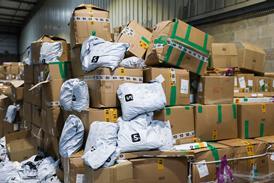








Three out of four of the UK’s biggest clothing and footwear retailers now charge customers to send back unwanted items, according to new data shared exclusively with Retail Week by Retail Economics.

The research, in partnership with logistics specialists ZigZag, found 76% of the country’s 100 largest apparel retailers have introduced a small fee or are withholding delivery refunds as part of a clampdown on serial returners.

While most of the non-food sector charged a fee of under £3, the report found luxury and value retailers on average charged customers £5.25 and £3.30 respectively.

Almost all value retailers (82%) and younger fashion brands (80%), such as Asos and New Look, charge for returns. In comparison, 11% of luxury businesses charge, while 39% of premium and 39% of mid-market brands have a fee.

Retail Economics reported that retailers with national store estates such as Next and H&M were more likely to encourage free in-store returns, while charging between £2 and £3 for postal returns. 

It forecasts that the value of returns across all non-food categories will fall to £25.1bn in 2025, down from £26.7bn the year before. The number of serial returners should also drop, falling from 12% in 2024 to 8% in 2025.

Retail Economics chief executive Richard Lim said: “Retailers have made real progress in curbing the most costly returns behaviours, but the next step is about encouragement as much as deterrence.

“Clearer communication, faster refunds and loyalty-linked incentives can nudge shoppers towards returning items quickly and responsibly. As returns policies mature, the focus will shift from simply reducing costs to actively shaping positive, efficient post-purchase behaviour.”

ZigZag chief executive Al Gerrie added: “Returns policies define customer behaviour at the checkout. Curbing serial returners was an absolute priority after a disproportionate £6.6bn hit last year. What we’re now seeing is the industry drawing a clear line between loyal customers and those gaming the system.”