








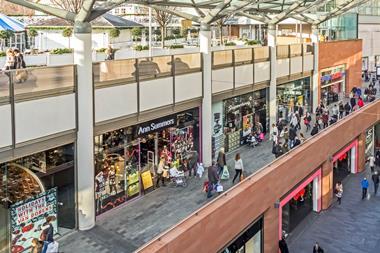
Shop prices remained deflated in March, with most non-food categories driving this fall despite retailers facing increased costs from the budget.
Overall, shop price deflation was at 0.4% in March, against a sharper deflation rate of 0.7% in February. This is below the three-month average of 0.6%, according to the latest BRC-NielsenIQ shop price index data.
Non-food deflation decreased to 1.9% compared to 2.1% the month before, making this in line with the quarterly deflation average of 1.9%.
Food inflation rose to 2.4% in March, compared to 2.1% in February. This was above the three-month average of 2%.
Fresh food inflation fell to 1.4% in March compared to a growth of 1.5% in February, while ambient food inflation increased to 3.7% compared to a 2.8% rise the month before.
Both fresh and ambient food were above the three-month averages of 1.3% and 3% respectively.
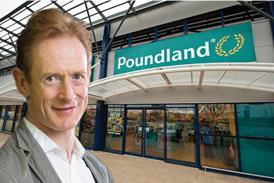
BRC chief executive Helen Dickinson said: “Retailers continue to do all they can to protect customers from the cost pressures bearing down on the industry. Prices fell for most non-food categories, which kept year-on-year overall shop prices in deflation, but at a reduced rate compared to February.
“Clothing and footwear was in double-digit deflation as a result of weak consumer demand. Across food, price inflation rose year-on-year, with ambient food seeing the highest increase. For example, alcoholic and non-alcoholic beverages both saw price increases due to changes to duties and the hangover from high global sugar prices.
“With retailers bracing for significant extra costs, which kick in later this week as a result of the Budget, inflation will likely accelerate in the coming months. Along with new packaging taxes later this year, retailers will be shouldering an additional £7bn in costs. It is crucial that the Employment Rights Bill and business rates reform don’t further inflate costs and increase red tape.”


No comments yet