












Despite ongoing global economic headwinds and strong comparisons year on year, warmer weather and Mother’s Day both helped retail sales over the month of March.
Total UK retail sales increased 1.1% year on year in the month of March, compared to a 3.5% jump for the same period in 2024, according to the latest BRC-KPMG retail sales monitor.
The higher comparisons on last year were due to the fact that Easter in 2024 was in March, and will be in April this year.
Food sales over the period increased by 1.6%, against an 8.3% jump in March 2024, while non-food sales jumped 0.6% in March 2025 compared to a 0.4% decline for the same period last year.
In-store non-food sales fell 0.1% in the period, compared to a 0.1% jump last year, while online non-food sales jumped 1.8% in March 2025 compared to a 1.4% dip for the same period in 2024.
Online penetration rates in the period jumped to 37.1%, compared with 36.6% the previous year.
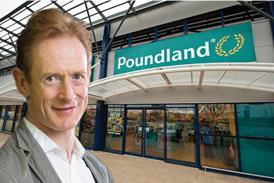
BRC chief executive Helen Dickinson said: “Despite a challenging global geopolitical landscape, the small increase in both food and non-food sales masked signs of underlying strengthening of demand given March 2025’s comparison with last year’s early Easter.
“The improving weather made for a particularly strong final week, with gardening and DIY equipment flying off the shelves. Jewellery and beauty products were helped by Mother’s Day, though sales of bigger ticket items like furniture remained weak. Retailers are making final preparations for Easter, with food expected to be the big winner next month.
“Since the start of April, retailers have had to contend with £5bn of new government-imposed costs as a result of increases to the National Living Wage and National Insurance. This rises to £7bn when the new packaging tax comes into effect in October and will undoubtedly increase inflation later in the year and hold back critical investment in high streets across the country.
“Government has ample opportunities to kick start that investment by ensuring that no shop pays more as part of their planned reforms to business rates and that the Employment Rights Bill doesn’t reduce the availability of entry level and part time jobs. Investment and growth are what the economy needs right now.”


No comments yet