







In the wake of a very turbulent 2016 retailers are re-examining how their stores work, eCommera takes a closer look.
The past 12 months have been tumultuous to say the least. Political uncertainty in the shape of Brexit and Trump, together with rising costs and volatile exchange rates, have all ushered in a new wave of uncertainty for brands and retailers.
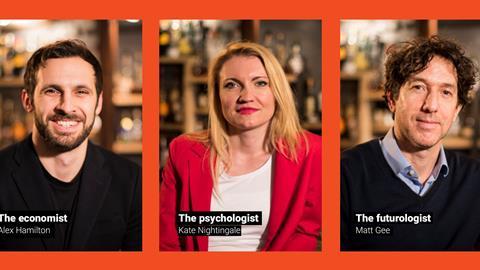
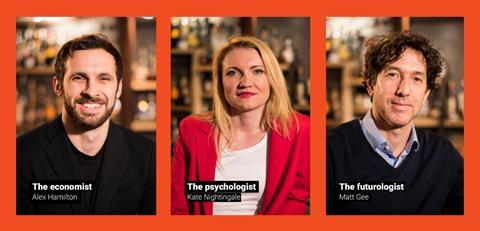
eCommera recently brought together three experts – economist Alex Hamilton of Retail Week, psychologist Kate Nightingale of Style Psychology and futurologist Matt Gee of Isobar – for a spirited debate around where brands and retailers should invest in 2017 in order to protect their margin and thrive in these difficult times.
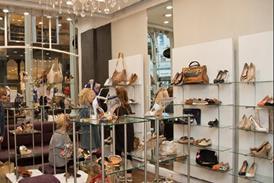
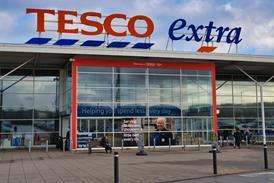
A key area of discussion was around the long-heralded death of the high street. Our participants all strongly disagreed that the high street is dying – Hamilton described it as “a load of rubbish” and Nightingale was adamant that it’s “never going to happen”.
Instead they agreed that the role of the physical store is changing. So, how can brands and retailers reimagine the role of the store? Here are three key takeaways from the discussion.
1. Test and learn to improve the in-store customer experience
All of the participants agreed that stores are likely to become more experience-led over time. As Nightingale pointed out: “Digital is not enough for social interaction. So stores will always be important as they can drive that in-person interaction which is a fundamental human need – it’s the opportunity to build the relationship with the consumer.
“I expect we’ll see brands start to repurpose stores to be more experience-led and eventually these experiential stores will become more important than advertising.”
“I expect we’ll see brands start to repurpose stores to be more experience-led and eventually these experiential stores will become more important than advertising”
Kate Nightingale, Style Psychology
Gee agreed: “Destinations rather than shops is probably one way of articulating it. I think they’ll be more fluid as well because actually the store is a chance to test things with your customers and it’s a chance to evolve.”
So how can brands and retailers respond to this shift? Start by mapping the customer journey and identifying opportunities for the store. Once you’ve developed a vision, consider trialling it in either an existing store or in a pop-up.
As Gee highlighted, taking a test-and-learn approach is key to success. With access to live customer feedback, why not trial new concepts, ideas and formats in the store? Make sure you understand any regional variations before you select the specific location so you can take that into account when analysing the response.
2. Consider the store as part of the holistic brand experience
While experience was the focus of the discussion, the group agreed that the role the store plays in the fulfilment process will change. The concept isn’t new, with brands such as House of Fraser already offering ‘buy and collect’ stores; however the consensus was that this would become more the norm versus the exception.
When considering the role of the store in fulfilment, it is also important for brands and retailers to avoid thinking in silos. Consider how you could better use the store to hold stock and fulfil orders – regardless of the channel of purchase.
“People don’t think in terms of channels. They think in terms of their relationships with brands”
Matt Gee, Isobar
Nightingale advised caution around implementing the latest in-store technologies just because your competitors are doing so. ”Brands come to us saying they want this new digital toy or that new digital toy. But as soon as you ask them why, they have absolutely no clue.
“It’s a problem. My advice is always to step back and ask ‘am I just trying to keep up or am I trying to create something, to build an experience that makes sense for my brand and my customers’.”
“The other issue with that is that it’s channel thinking; people don’t think in terms of channels,” explained Gee. “They think in terms of their relationships with brands.
“Taking a step back is good. Thinking holistically and not by channel is important; it’s about having the right moments at the right points that resonate with your customers and work for your business.
“I wouldn’t say you have to have a virtual reality kind of in-store experience in your flagship; identify what is right for your customers at that moment in that environment.”
3. Focus on increasing convenience for customers
For Hamilton, the store isn’t about experience as much as it is about convenience. “Convenience is key in retail. I think that a lot of spend is shifting towards travel and tourism and leisure.
“Retail is becoming more about convenience: give me what I want when I want it”
Alex Hamilton, Retail Week
“I’m not saying that we need to take the customer experience out of retail at all, but I still think that people are getting their experience fix through spend on those areas. I think retail is becoming more about convenience: give me what I want when I want it.”
“Exactly,” agreed Gee. “Beyond convenience you could walk into almost any retailer, any store environment, and you will find a number of pain points in that journey.
“Just like we do with digital, where we optimise the path to transaction and try and remove as many barriers as possible, we need to do that in the physical spaces. That is going to help deliver business performance.”
Find out more
Watch video highlights from the debate and download the full report here.



No comments yet