











Diversifying into new revenue streams is one of three key growth levers identified in Retail Week’s new, unmissable Growth Report. We explore how retailers are moving beyond B2C sales to create multi-dimensional businesses – generating value through services, data, infrastructure and strategic partnerships
Retail is not just about selling products. As margin pressures, rising operational costs and volatile consumer demand reshape the industry, traditional models are being reimagined.
To survive, and ultimately thrive, retailers are rethinking their purpose and operating models. A new frontier is emerging, one built on service diversification, B2B platforms, and the strategic use of internal capabilities.
So, what’s driving this shift? And where are the biggest opportunities? Here, we provide a sneak peek of what you can expect in Retail Week’s new Growth Report – which you can access for free here.
Turning infrastructure into income
As achieving profitability becomes harder, retailers are increasingly looking inward – identifying underused assets, existing infrastructure and customer data as new revenue-generating tools.
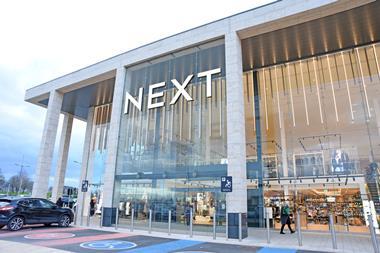
Next is a standout example. Once purely a product seller, it has repositioned itself as a service platform. Through its Total Platform offering, Next enables third-party retailers to leverage its ecommerce infrastructure – generating £67.1m in service income in the 12 months to January 2025.
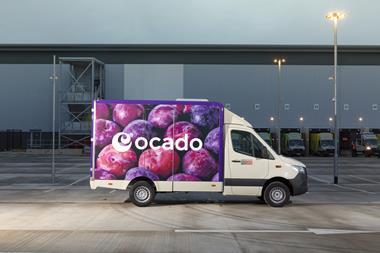
Ocado and THG following similar paths. Ocado’s Smart Platform is now used by international retailers such as Lotte, and its logistics arm generated £718m in revenue last year. THG’s Ingenuity platform, meanwhile, is enabling retailers like Holland & Barrett to outsource fulfilment during times of operational transformation.
Partnerships that drive scale

Retailers are also finding new growth through B2B partnerships with a wholesale flavour.
Toy retailer The Entertainer started 2025 by completing a rollout of 861 toy shops within Tesco stores in the UK and Ireland. Its decision last year to open a brand-new distribution centre, to support stocking the in-store concessions, is further evidence of the retailer’s continued growth.
In addition, the partnership has enabled significant growth for several better-margin, own-brand products from The Entertainer’s parent company, TEAL Group.
“The opportunity for retailers to expand into B2B is significant and growing,” says Aaron Gellhaus, senior director of sales at Commerce, parent company of BigCommerce and Feedonomics.
“Consumer expectations have reshaped the B2B buying journey – they want the same intuitive, self-serve experiences found in B2C.”
Retail as a media business
Beyond logistics and platforms, many retailers are turning to retail media as a high-growth revenue stream. From Boots and B&Q to Co-op and Morrisons, the last 12 months have seen rapid maturity in retailer-brand promotional partnerships.
And with good reason. According to IAB UK, advertisers are projected to spend over £1bn on retail media in the UK in 2025 – excluding Amazon, which is expected to generate $60bn globally through ad sales this year alone.
Success stories are already emerging:
- Kingfisher, parent of B&Q, estimates its retail media could represent up to 3% of ecommerce sales
- Walmart’s ad business grew 27% year on year in 2024, hitting $4.4bn (£3.2bn) in revenue
- Currys is “doubling down” on its Connected Media platform, supported by strong first-party data from 80% of UK households and a 24% share of the UK tech market
“Brands can’t get this level of insight or access anywhere else,” says Currys managing director for AI and monetisation Ryan den Rooijen, highlighting how Currys is turning data into value through targeted advertising partnerships.
Wellness goes mainstream
Retailers should also be watching key growth categories – and wellness is one of the standouts.
Boots introduced more than 300 new wellness products in summer 2025, building on its own-brand launches Habi and Modern Chemistry. Meanwhile, Superdrug is revamping destination stores with Try Me Tables and social stations for real-time product discovery and content creation.
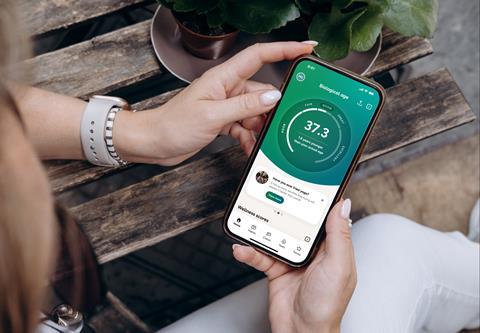
Holland & Barrett is also transforming itself into a “wellness partner” with the launch of the HB&Me app in May 2024 – a digital tool designed to help customers track biological age, habits, and wellbeing goals.
“This is more than an app – it’s a core part of our long-term growth strategy,” says Tamara Rajah, CEO of wellness solutions and chief transformation officer. “We’re helping customers live not just longer, but better – and in doing so, building a deeper, more meaningful relationship with them.”
To discover more about how retailers are creating new revenue streams through services, B2B platforms, and strategic partnerships, download The Growth Report: Winning Strategies to differentiate, scale and thrive.
Three strategic growth levers to watch
Expanding into new services is just one way retailers are adapting to scale and succeed. In The Growth Report, we’ve identified three critical levers:
- Data control and resilience
- AI-powered integration
- Expanding into new services
Through these lenses, we examine how leading retailers are differentiating themselves, growing their operations, and future-proofing their businesses – and how others can adopt similar strategies to thrive in a rapidly evolving retail landscape.