

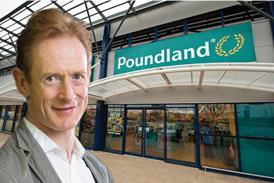





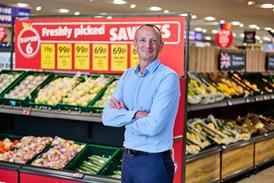


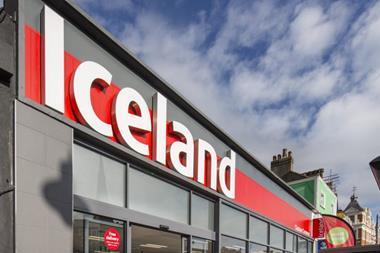
Iceland, the supermarket run by Labour’s cost-of-living tsar Richard Walker, has pushed ahead on price rises faster than almost all its competitors.
The frozen food specialist raised its prices by 5.8% in April, according to figures from Worldpanel seen by The Telegraph.
This was the second-highest inflation rate among supermarkets and above the market average of 3.8% in the four weeks to April 19.
Iceland disputed the data and said it did not represent an accurate view of its pricing.
Richard Walker said: “This is flawed methodology, based off a small panel questionnaire, over a few weeks in April - a moment in time when Iceland had some very specific lamb deals in place last year, which distorts the comparison. It also does not take into account new products and deals in place this year.
“In fact, Worldpanel’s most recent data shows Iceland at 2.62% - below the wider market.
“We tirelessly track prices, investing where customers need it most, to ensure our prices are consistently lower than the market. Families are still under real pressure, which is why we are putting more money into deals, lower prices and value across frozen food and everyday favourites.
“That’s why from tomorrow we announce our new ‘Frozen Pledge’, with more than 200 frozen products discounted or added to deals. Our priority is straightforward: helping customers save money when they need it most.”
Worldpanel’s monthly grocery market share data revealed last week that grocery inflation eased in early May, with like-for-like rises going up 3.1% in the four weeks to May 17 – the slowest rate since December 2025.
In the period, take-home sales growth at the grocers increased by 1.5%. Strong consistent sales at Lidl helped the discounter to leapfrog Morrisons to become the UK’s fifth largest grocer.
Worldpanel head of retail and consumer insight Fraser McKevitt said: “The easing in the rate of inflation is welcome news for shoppers who have been grappling with warnings of a hike in food prices due to the impact of the war in the Middle East.
“This follows the UK government’s announcement on a plan to further reduce import tariffs by £150m on a range of food categories.
“While further details are expected this week, this would equate to just £5 per household, with the average annual shopping bill for food and drink, excluding alcohol, totalling £4,087,” McKevitt added.


No comments yet