













Lidl has today announced that it has set out a new food waste reduction target and has begun trials to help accelerate its progress towards those goals.
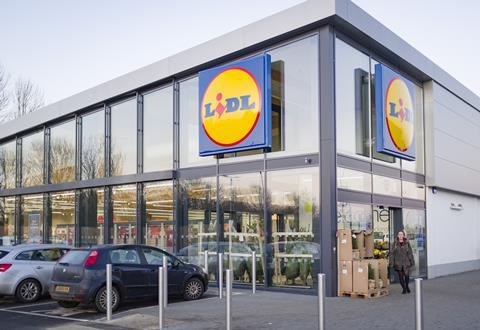
The discounter said that it would now look to reduce food waste by 70% across the business by the end of the 2030 financial year, having surpassed its FY2025 goal of 40% food waste reduction.
To help drive this next phase of food waste reduction, the retailer said it is extending its current partnership with Neighbourly to trial the charity’s Surplus Saviours initiative in the Midlands this summer.
In addition to community redistribution, Lidl said it had also “further strengthened its circular economy credentials” with a new animal feed trial taking place in the Peterborough region – with the supermarket diverting its inedible fresh bakery lines to create animal feed.
These new initiatives are being launched on top of existing sustainability strategies that Lidl is already working on, including with global environmental action NGO WRAP, which helps it identify “practical, data-driven ways to cut waste”.
Lidl head of sustainability Matt Juden-Bloomfield said: “At Lidl, we set ambitious targets that challenge how we operate and inspire innovation when it comes to food waste. We’ve made good strides, but we know we can do more.
“With that in mind, we have increased our targets to ensure we remain accountable and also introduced some exciting new trials to take things to the next level. We remain committed to accelerating our progress in this space and collaborating closely with our industry peers to drive lasting impact for both the environment and the communities we are at the heart of.”
WRAP director of food system transformation Estelle Herszenhorn said: “For the past 10 years, Lidl GB has been an active and engaged signatory of WRAP’s UK Food & Drink Pact. It has been fantastic seeing them offer loose fruits and vegetables and adopting best practice labelling. Both practices help shoppers reduce their household food waste.
“In-store, Lidl GB’s initiative on matching bakery products with demand aligns with WRAP’s priority of preventing food waste before it occurs. We are delighted to see increased paths for redistribution where food is surplus – a move WRAP also encourages.”
No comments yet