
















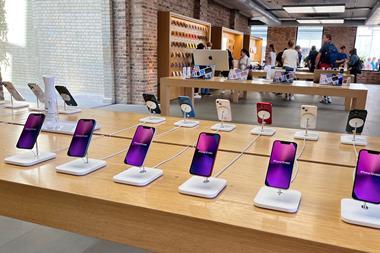
Apple saw iPhone sales climb as wary consumers rushed to secure new iPhones before Trump’s tariffs impact prices.
The electicals giant exceeded Wall Street forecasts in its second quarter ending March 29, with total sales reaching $95.36bn versus the expected $94.68bn. iPhone sales specifically reached $46.84bn, surpassing analyst estimates of $46.17bn.
Despite the performance, investor attention remains focused on potential tariff impacts in the upcoming quarter. While electricals have so far avoided tariffs, the Trump administration has indicated that new levies may be implemented soon. This uncertainty has contributed to a roughly 15% decline in Apple’s share price this year, erasing over $600bn in market value.
Following the earnings announcement, Apple shares dropped $6.33 (2.9%) to $206.99. Meanwhile, Microsoft’s strong forecast propelled its market capitalisation to $3.2trn, overtaking Apple as the world’s most valuable company.
Apple also announced that devices sold in the US will no longer be manufactured in China, as the tech giant works to minimise the impact of the tariffs.
Most iPhones will now be sourced from India, while iPads will come from Vietnam, a strategy aimed at preventing substantial price increases for American consumers.
Analysts believe the company will distribute some tariff costs through its supply chain while minimising price increases to maintain market share during a period of strong competition and delays in rolling out key AI features, including improvements to Siri.




No comments yet