

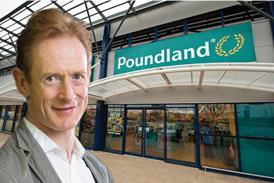














Shoppers stayed away from high streets during Black Friday, raising concerns that weak consumer spending could hinder economic growth.
Footfall across all UK retail destinations fell 2% on Friday and 7.2% compared with the same period last year, according to monitoring firm MRI Software, with areas near central London offices amongst the few locations seeing increased visitor numbers.
While the majority of Black Friday sales now occur online, the digital picture was similarly patchy in the lead-up to the weekend. According to the online retail association IMRG, as reported by The Guardian, sales dropped sharply on Thursday but rose on Tuesday in the week before Black Friday.
“The cost of living squeeze appears to be weighing on overall activity,” said MRI Software’s Jenni Matthews.
“Retail footfall remains 3.3% lower compared to Black Friday last year, with high streets and shopping centres leading this decline, whereas retail parks noticed a marginal 0.1% increase in visits.”
The figures emerged as consultancy KPMG identified subdued consumer spending as a key factor likely to constrain growth over the coming year.
Although the bulk of the £26bn tax revenue from Rachel Reeves’s budget will not materialise until later, KPMG suggested that financially stretched households would remain cautious as unemployment rises to 5.2%.
“Growth prospects for 2026 are muted, reflecting a cooling labour market and weak household expenditure,” said KPMG chief economist Yael Selfin.
“The medium-term outlook could strengthen if planning reforms facilitate housing development and investor uncertainty diminishes.”
The subdued appetite for Black Friday sales was indicated earlier last month by the BRC consumer sentiment monitor, with less than half of respondents (42%) saying they expect to spend more than they budgeted, down from 50% last year.





No comments yet