











Retailers went earlier on Black Friday promotional activity than in previous years in a bid to lure shoppers into spending, even as inflation eased across the board in early November.

Black Friday deals began earlier than normal this year, as competition between retailers to lure cautious consumers into spending ahead of the late Budget intensified, according to the latest BRC-NIQ shop price monitor.


It came as shop price inflation decreased to 0.6% year on year in November, compared to 1% growth across categories in October.

Non-food inflation decreased to -0.6%, while food inflation fell to 3% year on year in November, both below their three-month averages of -0.3% and 3.7% respectively.

Fresh food inflation decreased to 3.6% year on year, while ambient food prices also decreased to 2.4% year on year.

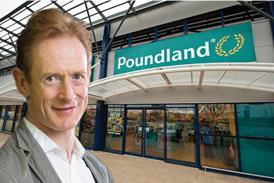
British Retail Consortium chief executive Helen Dickinson said: “Black Friday deals began earlier than normal as competition between retailers hit fever pitch. Savvy shoppers picked up some great deals across health and beauty, electricals and fashion. While food price inflation remains elevated, widespread promotions meant price rises eased over the month, especially in dairy, fruit, breads and cereals.

“Inflation remained stubbornly high for oils and fats, and meat and fish, as climbing input costs passed through from producers. With Budget uncertainty behind us, retailers are hoping that consumer confidence rebounds in this crucial trading period, and they will continue doing everything they can to keep prices down and help customers’ money go further this Christmas.

“Headwinds in the new year include rising employment costs, which are likely to filter through to prices. This could shake already weak consumer confidence and present further challenges for consumers in the year ahead.”