










The latest numbers from GfK’s Consumer Confidence Index showed a two-point drop in September, while optimism about the economy has cratered since the Labour government came to power.
The overall index, which looks at personal finances, spending intentions and views of the economy, now stands at -19. Sentiment across all of these measures dropped month-on-month, though people are more optimistic about their personal finances than they were this time last year.
These results show how high the stakes are for chancellor Rachel Reeves ahead of the autumn Budget. Tax rises have been widely trailed in the media following increases in government borrowing costs.
Forward-looking sentiment about the economy has dropped significantly since Labour came to power. In June 2024, a month before the current government took charge, consumer confidence in the prospects for the economy stood at -11. Fifteen months later, the score is -32. “Sentiment is sliding sharply,” said Neil Bellamy, consumer insights director at GfK, an NIQ company.
Inflation continues to track ahead of the Bank of England’s target of 2%. The latest official inflation figure for August showed a 3.8% increase in consumer prices year on year, with grocery costs up by 5.1%.
The only potential positive read for retailers is that savings intentions, which are tracked alongside but do not feed into the overall index score, decreased by eight points since August. The household savings ratio, which measures the portion of consumers’ disposable income that goes into savings, has largely been on an upward trend since 2022, but fell in the first quarter of the year.
”There’s an autumnal chill in the air this month, with all five measures of consumer confidence down,” said Bellamy. “The August 7 decrease in interest rates does not appear to have provided any obvious boost to the financial mood of consumers or drawn attention away from day-to-day cost issues.
”With tax rises expected in the November budget, the risk is that confidence inevitably falls, just like the autumn leaves.”
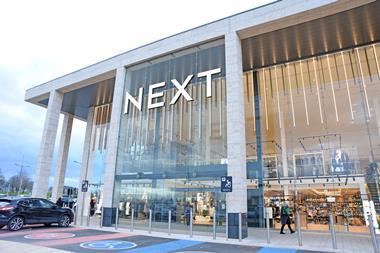
UK fashion retailer Next, often viewed as a bellwether for the UK consumer, sounded a warning on the economy as its latest set of results was published yesterday.
“At best, we expect anaemic growth, with progress constrained by four factors: declining job opportunities, new regulations that erode competitiveness, government spending commitments that are beyond its means, and a rising tax burden that undermines national productivity,” it said in a statement published alongside its results.
The retailer is forecasting that its strong sales growth in the first half of 2025 will moderate across autumn and winter.
Separate data published by the BRC also showed a drop in consumer confidence, with confidence in the economy hitting its lowest level since spring.
“Inflation is now one of the biggest concerns among the public, with food inflation expected to rise to 6% by the end of the year. All eyes are now firmly locked on November 26 and what the chancellor will announce,” said BRC chief executive Helen Dickinson.


No comments yet