
















New research from Worldpanel by Numerator shows that the weight loss drugs have led to a £780m drop in grocery spending per year, with households that have a user typically spending £418 less on their annual food bill.
The findings are based on responses from 11,500 households and show that the share with at least one GLP-1 user has more than tripled since 2024. In 2026, 6.3% of households have a GLP-1 user.
At first glance, this looks like a decline in spending on snacking and treat categories. Chocolate consumption has dropped by 18 percentage points among GLP-1 households compared to a control group. Three-quarters of users surveyed said they are cutting back on chocolate, while 72% said the same about crisps.
Nishita Pattni, senior consultant at Worldpanel by Numerator, says that it isn’t a blanket story about decline in snacking, but instead about consumers becoming a “lot more considerate” and “actively seeking portion-sized formats.” She points to a rise in cracker sales among GLP-1 households as an example.
Over half of users (52%) now describe their eating approach as mindful, reflecting hunger cues rather than habit or routine.
Also on the rise, surprisingly, among the cohort are mouthwash spending (up 20 percentage points) and chewing gum confectionery (up 24 percentage points). Worldpanel says this is likely a result of combating “Ozempic mouth”, the common side effect of dry mouth and bad breath.
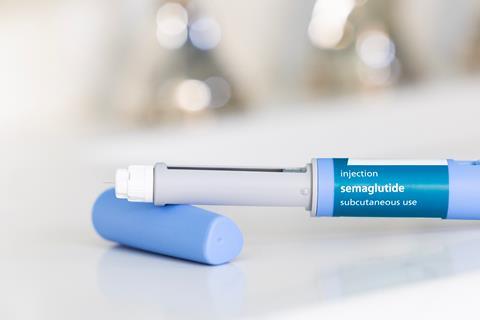
One blocker to take up continues to be cost. The drugs can cost hundreds of pounds per month for some users. Four in 10 users of the medication in 2026 say they stopped because of the price of it all.
Pattni says that the cost also seems to be having an impact on what consumers are spending on more broadly, saying a rise in spending in some health and beauty categories seems to suggest a “lipstick effect” as users seek affordable indulgences.
Some of the barriers to the usage of the drug are expected to reduce over the next few years. The pill form of Novo Nordisk’s Wegovy is currently awaiting approval from the UK medicine regulator, with Chemist + Druggist recently reporting that Superdrug was developing a new service for the oral medication. Alongside price, the need to inject the drugs has historically been viewed as a barrier to use.
Patents for some of these weight-loss drugs are set to expire over the next decade. The patent for semaglutide, the molecule behind Ozempic and Wegovy, came to an end in India earlier this year, meaning that generic competitors to the drug can start entering the market.
In terms of what retailers should be doing to address this growing trend, Pattni suggests day-to-day activations that support users, such as signposting smaller portion sizes or nutritionally dense options. She cautions that this does not mean a dedicated GLP-1 aisle, but is instead about “making that every day shopping journey easier.”


![DUSK.COM Decade of DUSk - 2[27][99]](https://d53bpfpeyyyn7.cloudfront.net/Pictures/380x253/4/8/0/3129480_dusk.comdecadeofdusk22799_455811.jpg)

No comments yet