












High Streets UK, a new initiative launched by representatives from British retailers, has laid out a series of policy recommendations in response to the government’s business rates discussion paper, Retail Week can reveal.
The government’s proposed business rates reform suggests properties with a rateable value of over £500,00 could face a business rates multiplier up to 10p higher than the current levy, placing a “disproportionate burden” on physical flagship high street locations.
High Streets UK said the revaluation adds “further uncertainty” and “disincentives near-term investment”.
It is calling on the government to take “urgent action” to avoid store closures or job losses, and has laid out key recommendations.
This includes a long-term impact assessment of proposed multiplier increases, including how it could affect job growth and future investment.
It also suggests freezing any rise in the higher multiplier until 2027/2028 to allow businesses time to prepare for increases, and extending the empty property relief from three months to six months to be more in line with the average time it takes for most retail units to find a new occupier.
In a joint statement on the UK’s business rates reform, High Streets UK said: “As a group, High Streets UK has welcomed the Government’s commitment – long overdue – to review and reform the complex business rates system.
“We are also supportive of the principle that smaller retail, leisure and hospitality businesses need a permanent reduction in rates, following the end of temporary reliefs in 2026/2027.
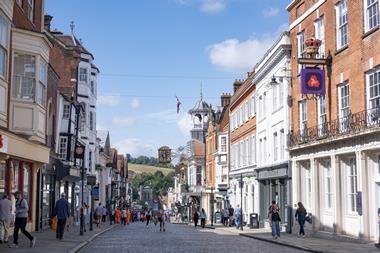
“Current proposals, however, place too great a burden on flagship high street locations, from Birmingham and Bristol to Liverpool and London. The occupiers of city centre properties are often large retail, hospitality or leisure operators, or professional services businesses – drivers of footfall, significant employers and anchors for local communities.
“An increase to the business rates multiplier for properties with a rateable value of over £500,000 runs the risk of making many of these businesses unviable, with the upcoming 2026 revaluation adding to uncertainty and disincentivising near-term investment in bricks and mortar locations.
“As the representatives of over 5,000 businesses operating on flagship high streets, which collectively generate over £50 billion in GVA, we urge the Government to consider our proposed changes to its business rates proposals, which we believe would better reflect the stated objectives of protecting the high street, encouraging investment and creating a fairer system.”
No comments yet