












While today’s spring statement did not have any more unexpected tax rises in-store for retail, it also did not deliver any relief for a sector still coming to terms with the October Budget.

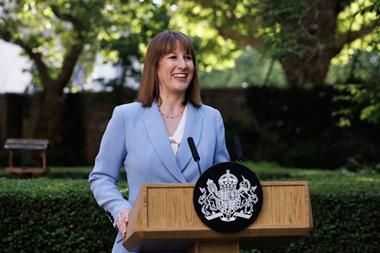
In the run-up, chancellor Rachel Reeves insisted there would be no further tax rises and, on that point, she made good on her side of the bargain.
Instead, today focused on Reeves and the government trying to trumpet their successes since taking office, while contextualising the increasingly choppy global waters they are trying to navigate the UK through.
The major takeaways from today’s announcement were Reeves and Labour’s commitment to increase defense spending to 2.5% of GDP by 2027, along with confirming changes to welfare and the halving of forecast growth for the year.
While there were no more tax hikes for retail, neither did the chancellor back down on her controversial measures announced in the Budget.
With changes to employer’s national insurance contributions (NICs) coming into effect in April, retail leaders had hoped for the government to change tack. British Retail Consortium chief executive Helen Dickinson said the government’s failure to do so will lead to “higher prices, fewer shops and less investment in jobs”.
Dickinson said: “The chancellor has committed to tearing down regulatory barriers and implementing policies to grow our economy and create jobs. And yet retailers are facing tough choices as they try to find ways to address the £7bn in new costs this year as a result of increased employer NICs, higher national living wage and the new packaging tax. The impact of this will be higher prices, fewer shops and less investment in jobs.
“[But] the costs from the Budget and uncertainty about how the Employment Rights Bill and new business rates policy will be implemented, mean it will be much harder for retailers to keep creating these kinds of jobs. The government should avoid unintended consequences and provide clarity about the implementation of these policies as soon as possible. A serious plan for retail growth would support the industry to invest in new jobs and keep prices down for customers.”
Iceland managing director Richard Walker said: “As a retailer, I can’t pretend this was an easy statement. The cost of doing business is still going up. National insurance rises are part of that. But, more importantly, we’re seeing costs that will soon land at the feet of customers.”
Retail Trust chief executive Christ Brook-Carter said: “We know many retailers and retail workers have been facing an uncertain future following some of the tax rises announced in the autumn Budget, and today’s spring statement will have done little to alleviate their concerns.
“The number of redundancies from the sector last year was the highest since the pandemic and more retail businesses will be forced to make difficult decisions this year as they grapple with increased national insurance contributions, minimum wage rises and the reduction in business rates relief from next month.
“We see this reflected in declining wellbeing across our industry and a rise in the number of people reaching out to the Retail Trust for help. We stand ready to offer even more support to retail workers in the coming months and to assist more employers looking for help on how to manage this uncertainty among their staff.”
New West End Company chief executive Dee Corsi said: “While we welcome government action to support growth through initiatives like the recent Planning and Infrastructure Bill, for businesses on flagship high streets like those we represent in the West End, there’s an urgent need for more holistic policies to reduce the burdens they face.
“Key to this is the looming hike in business rates, which is a major barrier to the government’s growth agenda, threatening to hit retail, hospitality and leisure businesses hardest, with potentially devastating consequences. Just as important is the continued absence of tax-free shopping, which cost West End businesses £640m last year, hampering the UK’s global competitiveness and stalling any growth potential.
“We urge the government to reconsider their proposed reforms to protect businesses on flagship UK high streets, attract inward investment, and support national and local growth.”



No comments yet