















AI is no longer just a conference topic. It’s already the operational engine driving Europe’s most competitive retailers
This is the clear-cut conclusion of the latest Retail Trends report published by NRF and Comexposium, just a few months ahead of NRF 2026: Retail’s Big Show Europe, which will bring together 12,000 industry professionals in Paris on September 15, 16, and 17, 2026. Five major trends are emerging, drawing a clear line between those moving forward and those who are falling behind.
1. Agentic AI is transforming customer service
By 2029, according to Gartner, autonomous AI agents will resolve 80% of routine inquiries without human intervention, reducing operational costs by 30%. But the real challenge isn’t automation, it’s trust. Poorly configured systems don’t just underperform – they damage brands.

2. Personalisation and demand forecasting are now a single lever
McKinsey estimates that personalisation at scale generates revenue increases of 10-15% for retailers. BCG goes further; those that deliver highly personalised experiences grow about 1.5 times faster than others. The game changer is that modern AI engines no longer rely solely on product recommendations. They incorporate weather, purchase history, real-time behaviour and inventory levels to anticipate purchase intent and simultaneously refine demand forecasts at the SKU level.
3. Micro-influencers are outperforming. Brands are finally realising this
The creator market has matured. Nano and micro-influencers – creators with between 1,000 and 100,000 followers – consistently generate higher engagement and conversion rates than macro-influencers. Zalando, Asos, and several independent European brands have restructured their marketing budgets accordingly. Discovery platforms powered by machine learning can now analyse millions of creator profiles in seconds, a task that used to take weeks.
4. In-store retail media: The still under-exploited gold mine
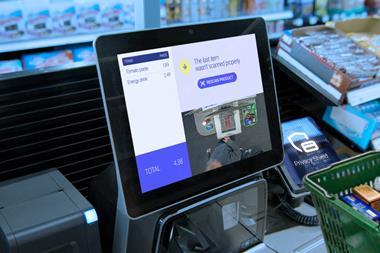
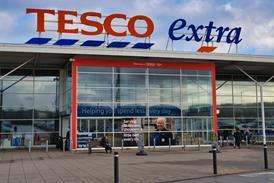
In the US, Walmart and Kroger are already generating hundreds of millions of dollars through their in-store media networks. In Europe, the gap is narrowing. Tesco, Carrefour, Ahold Delhaize and Lidl are investing heavily in AI-driven digital screen infrastructure capable of adapting content in real time based on foot traffic, weather or inventory levels. The margin profile of retail media, which is structurally higher than that of traditional retail, makes it a strategic driver of profitability.
5. Licenses and IP: The asset-light model takes hold
The next major competitive advantage may not be operational, but legal. Retailers that own high-profile brands have the opportunity to license them to international manufacturers and operators, generating royalty revenue at margins unattainable in traditional retail. Authentic Brands Group has demonstrated what this model can achieve at scale. In Europe, the potential is immense and largely untapped.
What do these five pillars have in common? They are interdependent
A retailer that excels at demand forecasting has the same data infrastructure to optimise its HR scheduling. A retailer strong in AI-powered customer service accumulates interaction data that enriches its marketing personalisation. As the NRF report highlights, retailers who treat AI as a coherent operating system rather than a collection of departmental tools will be the ones to build a sustainable advantage.
The window of opportunity is open. But not indefinitely.
Read the full Retail Trends report and secure your place to meet the decision-makers shaping these transformations at NRF 2026: Retail’s Big Show Europe, September 15-17, 2026, Paris Expo Porte de Versailles.