











Download How They’ll Spend It 2026 to find out which sectors will succeed in convincing squeezed shoppers to part with their money in the first half of the year
It’s not a new narrative, but it needs repeating and underlining in 2026; retailers must work as hard as ever to convert cash-strapped shoppers.
Outside of the essential food and grocery category, which is a continual priority for shoppers, many sectors will face a battle to attract consumer spending over the next six months, according to Retail Week’s How They’ll Spend It 2026 report, produced in partnership with Vypr.
Consumer research conducted for the report reveals the year may bode well for pet care, and health and beauty, but on the flip side, retailers of big-ticket items such as furniture and appliances face an uphill battle in the months ahead.
But be warned, Gen Z and younger Millennials plan to spend differently to other demographics across the UK.
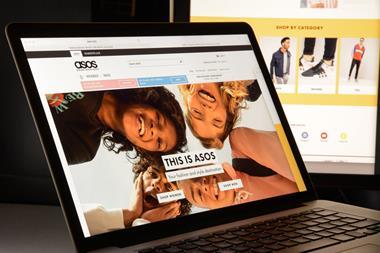
Some 30% of 18 to 24-year-olds are prioritising buying fashion over the next six months, and 23% are looking to spend their hard-earned money on health and beauty. A quarter of 25 to 34 year-olds are prioritising health and beauty – and the most active spenders in this category are younger than last year, showing continued vibrancy in that market.
Retailers in these spaces that get their proposition just right are likely to find themselves among the winners’ list in 2026. This report highlights how retailers across verticals are strategising to capitalise on interest in these sought-after categories.
However, with How They’ll Spend It 2026 showing consumers are much more worried about the cost of living than 12 months ago, the number of retailers on the winners’ list may well be few and far between – so proactive action needs to be taken as the year gets under way.
The curious case of eating out and entertainment
Most consumers (72%) are unsurprisingly prioritising food and grocery when it comes to their spending over the next six months, with 25% of consumers focusing on entertainment and eating out as their second biggest area of spend.
However, a subsequent 24% are conversely deprioritising spend on entertainment and eating out, with only 9% rating food and grocery as an area they anticipate cutting back on. This is indicative of a polarised market. Those who have cash to spare will be looking to treat themselves to evenings out as a welcome break from the economic challenges and doomsday news agenda, but those struggling financially will be actively avoiding spending in this category simply because they can’t afford to.
It is a clear warning sign for the wider retail industry that a flexible pricing strategy will play a key role in drawing in consumers throughout 2026. Retailers in sectors where consumers are looking to cut spend will need to craft compelling propositions and attractive price points to win out.
Download the How They’ll Spend It 2026 report to find out exactly where consumers are actively withdrawing their spending in order to afford the essentials.
What are the key takeaways from the research?
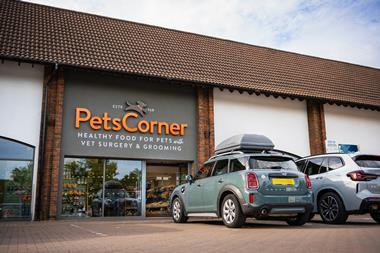
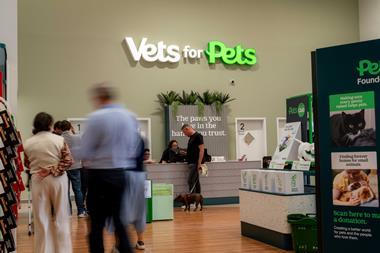
- Despite the challenges of the last year for market leader Pets at Home, pet care looks set to be a winning retail category in 2026 as consumers plan to spend, as exampled by strong like-for-like growth over the Christmas period for Jollyes
- There’s still huge spending potential in fashion and beauty among the younger demographics, and retailers and brands can connect with this audience through compelling propositions, partnerships and category extensions
- More consumers are concerned about the cost of living than 12 months ago, so a clearly communicated and tiered pricing strategy will be as important as ever irrespective of which category a retailer specialises in

How can I read more?
For the latest exclusive consumer data and to understand how consumer preferences are changing access How They’ll Spend It 2026 today.