












Grocery giant Tesco has unveiled £1.5m in new investment in sustainable agriculture, strengthening its UK supply chain and supporting its farmers.
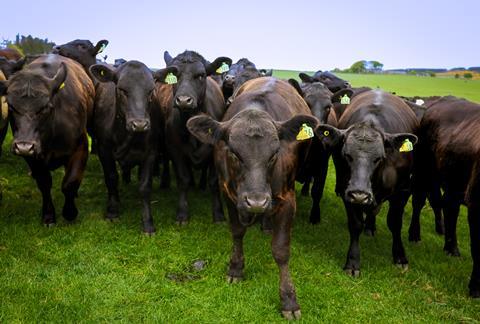
Tesco has extended its environmental data baselining programme to help its UK lamb and beef farmers capture soil, water and natural data at scale for the first time.
Tesco UK chief executive Ashwin Prasad is also calling on the government to introduce a national data baselining framework to end the “patchwork approach to data collection” and to “safeguard the country’s food security”.
The announcement follows research conducted by Tesco, which found that 91% of its farmers want the government to do more to support farming resilience, with 89% of customers thinking the government should do more to support UK farming.
Over 68% of Tesco farmers want to do more to make their farms more environmentally friendly, but 96% cite inconsistent environmental standards and data reporting as a key barrier, with a further 73% reporting difficulties in getting vital innovation on to farms that will improve efficiency, resilience and sustainability.
The new baselining programme aims to support the retailer’s 360 beef and lamb farmers to capture soil, water and nature data and establish clear measurements over the first 12 months of the programme, to provide farm resilience and efficiency.
Prasad added: “British farmers are the backbone of our food system, but they face unprecedented pressure, from rising costs and climate shocks to uncertainty over government policy. They tell us data is vital to measuring and driving improvements in sustainability and efficiency on farms, but the patchwork approach to data across the UK has resulted in a lack of a unified or standardised framework to track industry-wide progress or share insight and best practice.
“Our new programme will give farmers the data and tools to build resilience, and it’s vital that farmers are provided with a clear and consistent reporting framework to reduce the burden they face and make it easier for the whole industry to measure and scale progress. This is fundamental to creating a stronger future for UK agriculture and protecting the country’s ability to reliably grow high-quality, homegrown food, now and for the future.”


No comments yet