



















The Co-op has committed to investing £70m to creating 7,000 new apprenticeships at the retailer by 2030, which it said will open doors for “underrepresented groups”.
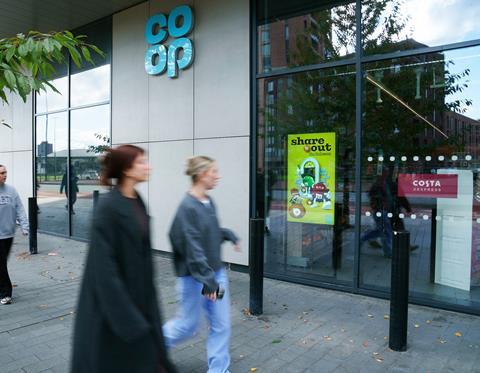
The c-store specialist said it will use its Levy Share to create the thousands of new apprenticeships, which are aimed at tackling skills shortages and boosting social mobility.
Co-op’s Levy Share programme has already raised £40m after it was first launched in 2021. It enables levy paying employers to transfer unused apprenticeship levy funds to businesses, charities and community organisations.
The retailer says that in four years, the scheme has matched over 3,800 apprenticeships, with two-thirds in the most deprived communities and a third in the care sector.
The announcement comes as apprenticeship starts have dropped 31% since the then Conservative government introduced its apprentice levy in 2017 – which the retailer said left nearly one million young people out of education, work, or training.
The Co-op is also calling on Skills England to start collecting socio-economic background data for apprenticeships. They say this would “allow policymakers, employers and educators to see who is, and isn’t getting access to apprenticeships, and to target support where it’s needed most.”
Co-op chief people and inclusion officer Claire Costello said: “We launched Co-op Levy Share to unlock unused levy funds and turn waste into opportunity. Four years on, alongside our contributing partners, we’ve already channelled £40m into thousands of lifechanging apprenticeships, and today we’re going further, committing £70m to create 7,000 apprenticeships by 2030.
“But to truly drive social mobility, we need to measure who benefits. That’s why we’re calling on Skills England to start collecting socio-economic background (SEB) data for apprenticeships. Without it, the system risks leaving some groups behind. Shining a light on access means we can target support where it’s needed most and build a fairer future for all.”



![Meadowhall Store Front copy[76]](https://d53bpfpeyyyn7.cloudfront.net/Pictures/380x253/2/9/4/3129294_meadowhallstorefrontcopy76_564284_crop.jpg)

No comments yet