







Things appear to be looking up for Debenhams Group after a surprise turnaround at the once ill-fated PrettyLittleThing has put the ecommerce player back in business.

The online retail giant, which also owns Boohoo and Karen Millen, revealed it was upgrading its profit outlook for the year to £50m adjusted EBITDA as trading across all brands was “above expectations”. 

The most surprising announcement from its update to the market was its decision to keep PrettyLittleThing, six months after placing the brand up for sale. 

Debenhams said in August it was “exploring the possible sale of PLT” as part of its ongoing business review under its transformation strategy. 

In an update to the market this morning, the retail group said it was “particularly pleased” with the pace and scale of PLT’s turnaround and the resulting “material improvement” in profitability. 

It reported that momentum was “building” and that it had chosen to retain the brand. But what’s behind the PLT success story, and what does this all mean for Debenhams and its ongoing turnaround? 

The PLT story 

PrettyLittleThing’s turnaround story has not been quite as straightforward. Last year, pre-tax losses hit £84m as sales fell further to £428m. 

The fashion brand had lost its relevancy in recent years as it battled with challenging market conditions, increased competition from the likes of Shein, and a number of cost-cutting measures that negatively impacted the customer experience. 

Founder Umar Kamani returned to the helm in September 2024, vowing to “put customers at the forefront”. 

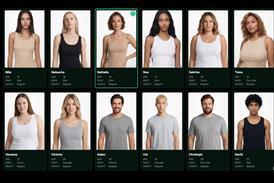
The biggest change to PrettyLittleThing came last spring when it revealed it had ditched its bubble gum pink unicorn branding in favour of muted, neutral tones. 

Kamani said at the time the rebrand was targeted at former PLT’s trend-led, bargain hunters who had grown up and were seeking timeless capsule pieces for their wardrobes. 

“We are more focused on refreshing, refining and improving our current offering to ensure our product range has moved in the same way our customers have grown,” he said. 

The marketplace model 

Arguably, the greatest change to the PrettyLittleThing brand has been the shift to a marketplace model. 

Debenhams chief executive Dan Finley announced in March last year that the entire group – formerly Boohoo Group – would pivot to a marketplace model as part of his ambitious turnaround strategy to tackle plummeting sales and steep losses. 

The ecommerce giant saw its pre-tax losses swell to £263.9m in the year to February 28, 2025, deepening from £164.4m in the year before. Sales shrunk 12% to £790.3m. 

The model had successfully worked on Debenhams.com and Finley was keen to share the fortunes across the rest of its brands. 

Boohoo launched its own marketplace of over 1,000 brands last year, which was later rolled out to PrettyLittleThing and Boohoo Man. 

The shift to a “stock-lite, capital-lite operating model” has stripped out the majority of costs that were likely weighing down the brands and been a quick-fire way to drive profitability. 

Debenhams Group said this morning that it saw “substantial opportunity ahead [for PrettyLittleThing] as a fashion-led marketplace”. 

What’s next? 

Debenhams is next due to update the market in March, where it will provide a much more detailed view of the progress against its turnaround. 

While a sale of PrettyLittleThing is now off the cards, the group said it continues to explore “significant licensing opportunities” as well as “the sale of non-core assets which would materially reduce the net debt in the next 12 months”. 

The revised adjusted EBITDA figure of £50m has delighted the market, with shares up 5% for the day.

Shore Capital consumer and digital technology equity research analyst Katie Cousins said: “We believe this is a good update, and it is pleasing to see the ongoing improvement in profits.  

“Exploring ways to improve the balance sheet is sensible to us, and we look forward to hearing more details in March.”

The tone of this morning’s update shows Debenhams is enjoying some green shoots with its turnaround plan, but with a pre-tax loss of £263.9m still to reverse, there’s certainly a longer road ahead.