















Changes in consumer browsing behaviour are wreaking havoc on visitor numbers to retail ecommerce websites, with nearly two-thirds of major UK retailers facing falls in unique visitors last year.
Data shared by Similarweb showed that 42 out of 65 major retail websites tracked saw a drop in average monthly visitors in 2025 compared to the previous year. Some of these falls were in double-digits.
“It is a trend we have seen across ecommerce more broadly,” said Similarweb principal insights analyst Daniel Reid.
The retailers included in the analysis are the largest UK retailers by domestic sales that have branded stores. The data will form part of the Digital Capability Index (DCI), a new report ranking retailers based on whether they are delivering the cross-channel shopping features consumers say matter to them.
There were some exceptions, with value player Home Bargains growing unique users faster than any other retailer in the list. Primark also saw a surge in users as it completed the rollout of its click-and-collect service.
Produced in collaboration between Retail Week and The Grocer, further findings from the DCI will be unveiled at LIVE 2026 on March 3.
Rising numbers using web apps

Some of these falls will be a result of marketing priorities. Several of the retailers we spoke to about the data suggested that drops in traffic were because of reallocations of digital marketing spend, and many had even shown upticks in ecommerce revenue despite lower visitor numbers.
The power of digital marketing allocation was clear, for example, in recent results by Next. Along with its move to the Zeos platform, the fashion retailer cited the ability to up marketing expenditure by more than expected as the reason for bumper European trading that has allowed it to raise its profit outlook for the year twice.
Reid says another factor driving the fall is that many brands now have a conscious strategy of shifting consumers to their apps, where they have more control of the purchasing journey and can collect additional data on shoppers.
Some retailers, particularly supermarkets, have knitted together the in-store and online shopping experience to work better with apps, particularly around loyalty discounts. While eight out of 10 grocers saw web visitor numbers fall, the same proportion also saw average numbers of iOS and Android app users increase.
In most cases, web visitors still outnumber app users, but the Similarweb data suggests that Tesco, Co-op and Lidl now have more shoppers across their apps than they do using web browsers (although Lidl does not have its own ecommerce service).
Move towards aggregators
Out of the 65 retailers included in the list, Argos was the main website with the highest number of average monthly visitors (although Tesco had more monthly users when users of its apps were factored in).
Reid says this reflects a consolidation of spend and browsing to marketplace players such as Argos, but also, notably, Amazon. “Retailers that can be used as a one-stop shop for all their needs,” he adds.
Amazon is way ahead of other UK retailers for web traffic, according to most estimates from data providers. The retailer is not included in the DCI analysis after it decided to close its network of Amazon Fresh stores, leaving it with no branded physical retail points of sale.
Argos parent company Sainsbury’s recent results showed sales at Argos had declined by 1% during the golden quarter compared to the previous year, but volumes were up.
Targeted shopping and AI opportunity
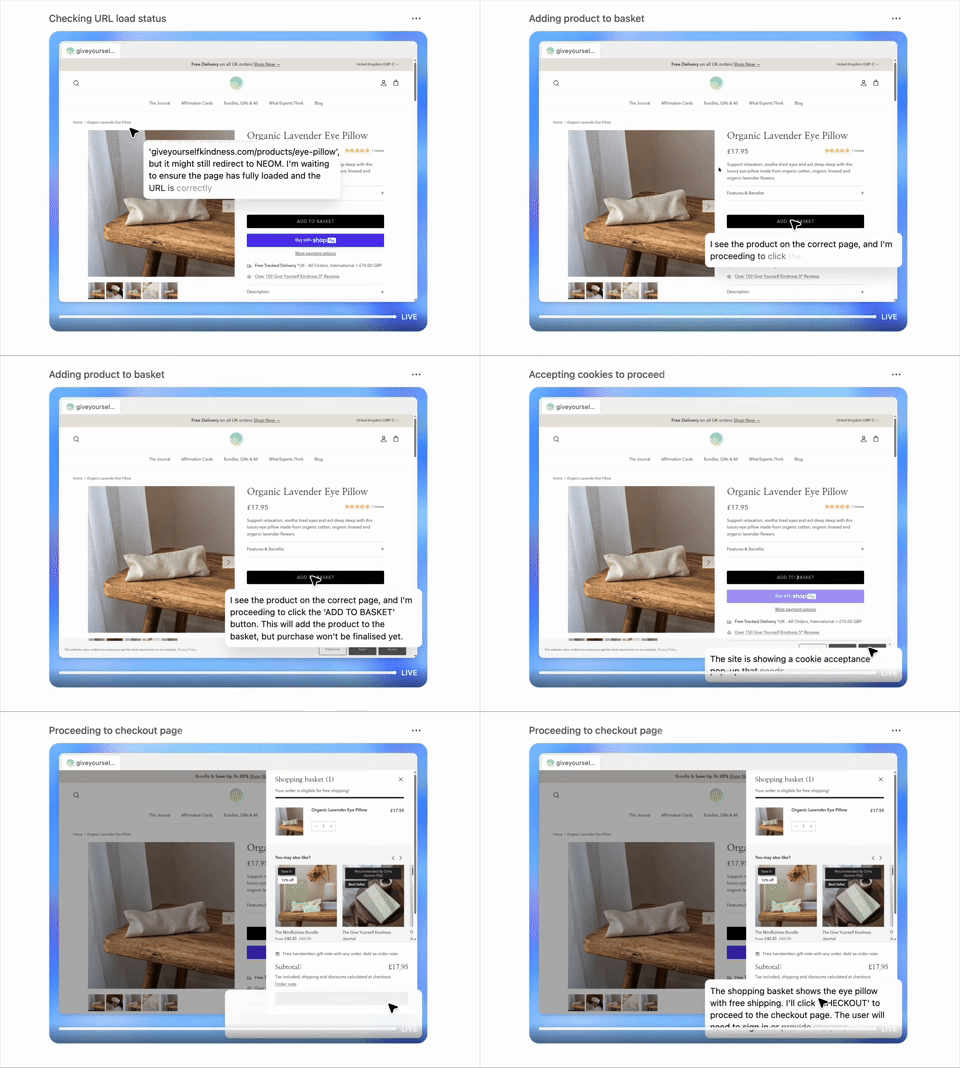
In addition to competition from marketplaces, retailers are also having to face up to changes in search behaviour.
Data from Google shows that search interest in AI shopping increased by 1,000% in December 2025 versus the year before. Separate data from Adobe shows that traffic to retail sites from AI sources in the UK grew by 329% over the 2025 holiday period.
While the base numbers still likely remain small, there seems to be widespread belief in the sector that AI-driven shopping will be a large trend in future years. Walmart announced earlier in the month that it would allow Google’s Gemini tool to use its product catalogue when relevant to a user’s query.
Earlier in January, JD Sports became the latest major British retailer to announce it would allow users to buy products directly through AI platforms, working with German tech solutions provider Commercetools. Frasers Group announced a similar partnership with the company in October, with the plan for Sports Direct, Flannels and Frasers customers to complete purchases through ChatGPT and Gemini.
Reid says there is also a cost-of-living factor at play as consumers are increasingly landing on retailer websites after conducting a lot of prior research, sometimes with the help of AI tools that allow for quick price comparisons.
“They are starting off on retailer websites with a specific product in mind rather than browsing,” he says.




No comments yet