















Chain outlet closures hit their second lowest level in a decade while a new convenience store opened nearly every other day in 2024.
The figures, from a new report by PwC using data from property firm Green Street, showed that the Britain had a net reduction of 3,802 chain outlets last year—or 10 per day. The figures include stores, leisure venues and services like banks.
On average, 35 stores closed per day, a number only bettered by 2022 in the last decade. Much of this was driven by restructurings, such as the net decline in chemist (604 fewer than 2023) and fashion stores (199 fewer). Lloyds Pharmacy went into administration at the start of 2024.
There were 9,002 new openings across Britain last year, a slight decline from the year before. The category with the biggest increase was convenience stores, with a net increase of 171 last year as major grocers focused on smaller units across the country.
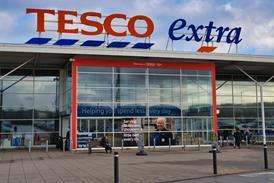
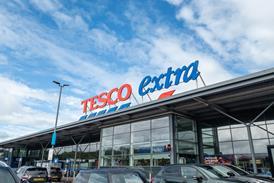
Retailers have doubled down on the convenience store format in the last year. Morrisons announced plans last summer to open 400 more small format stores, Tesco is targeting 150 more Express stores over the next few years, while Waitrose and Marks & Spencer also have plans for more.
These stores can charge up to a fifth more for popular grocery items, according to Which? research, but supermarkets count that part of this is due to higher rent, rates and operating costs.
Despite the positive figures, it is hard to avoid the sense that there are structural problems for the high street that have yet to be sorted. Services like banks are leaving towns in droves as businesses move more online.
Santander announced yesterday that nearly 100 UK branches would be closing—over a fifth of the bank’s estate.
This will likely not be helped by the increased costs caused by the Budget, such as the national living wage, national insurance contributions and business rates, having a dampening effect on openings. PwC expect a circa 2% net decline in chain bricks-and-mortar outlets to continue in the years ahead, especially as busy consumers get driven into digital purchases.
Contrary to expectations, says senior retail adviser at PwC Kien Tan, this is not a story of digital-savvy younger consumers, but busy workers potentially with families enticed by the time saved through shopping online.
“If you’ve got kids, you’ve got no time to go shopping, hang around the high street or hang around Brent Cross, so generationally there will be a long run shift online and we think that’s going to continue.”
On Tuesday, High Streets UK also warned that government plans to raise business rates would lead to hundreds of store closures.
The chain outlet figures exclude independent stores, so there is a possibility that some of these outlets have reopened as independents. This is common, for example, with pubs where half of closures have been filled by independent operators.
Some of this seems predictable based on wider consumer trends. The PwC report shows that the net decline in comparison retail stores, essentialy non-food retail, has closely tracked the movement of sales online.
One bright spot, however, have been retail parks. These were the only location category that had more openings than closures last year (albeit a modest 0.4% net increase). They have proved much more resilient than high streets and shopping centres in the past decade, with draws like free parking and major anchor tenants like M&S and Next proving a relatively successful formula for bricks-and-mortar retail.
“Because they’ve got a single landlord they can curate their offer,” says Tan, who adds that easy parking is a big structural advantage over many high streets. “If you’re buying a load of stuff and you’ve got kids in the back of the car, where are you going to go?”
A unified strategy has also been helpful for some shopping centres, where some single landlords have been able to curate strong offers mixing retail and leisure. The net decline in shopping centre chain outlets more than halved last year from -2.5% to -1.2%.





No comments yet