
















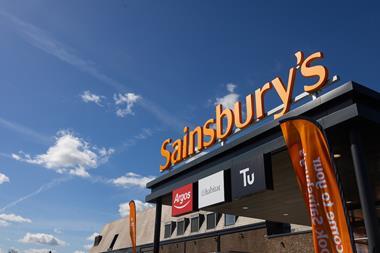
The company said that a new series of long-term agreements with 2,500 British and Irish farms will deliver 3.1 million tonnes of Sainsbury’s own brand fresh products.
As British farmers raise concerns about how the conflict in the Middle East will lead to knock-on effects on food prices, Sainsbury’s said that long-term partnerships will help them provide certainty and reassurance to invest in the future.
“By expanding these long-term agreements across more of our meat, dairy, fruit and veg, we’re backing British and Irish farming for the future and bringing more homegrown food to our customers. This is how we protect quality, value and provenance in an uncertain world and how we help secure the future of good food for all of us,” said Sainsbury’s chief executive Simon Roberts.
60% of own brand suppliers of fresh produce, dairy, meat, fish and poultry will be in long-term agreements of over five years.
Sainsbury’s said that it would be expanding the partnership model to 62 British berry farms, inking five-year deals with Angus Soft Fruit, Chambers, Soft Fruits Direct, JO Sims and Dyson Farming.
By 2027, the supermarket said, 2,500 farms will be backed by long-term agreements, covering products including milk, carrots, mushrooms and chicken.
The grocer’s long-term partnership model started in 2007, covering dairy farmers then struggling with rising labour and energy costs. The retailer said it pays dairy farmers a “cost-of-production” price benchmarked to fuel, feed and fertiliser prices.
“Long‑term investment in the British farming sector is vital to help secure more homegrown, high‑quality food for families, strengthen supply chains, and support the innovation and sustainability. All this is essential for the future of farming,” said Angela Eagle, minister for food security and rural affairs.
“It is great to see Sainsbury’s match our commitment to work with the sector to give farmers the certainty and confidence they need to invest, grow and plan for the future.”
National Farmers Union president Tom Bradshaw told the BBC earlier this month that food prices are likely to increase as a result of the conflict in the Middle East. The conflict has led to spikes in both fuel and fertiliser prices.
The Institute of Grocery Distributors warned yesterday that food inflation could briefly hit 8% by June 2026, if disruption to global energy markets persists.
“We’re proud to lead the way on long-term farming partnerships and cost of production models – with some of the longest in UK retail, backed by billions of pounds of committed investment. When farmers know what we’ll buy, at what price and for how long, they can plan, invest and keep producing the great tasting, responsibly sourced British food our customers trust,” said Roberts.
No comments yet