




Food price inflation is expected to add hundreds of pounds to consumers’ bills and many are concerned about the cost.
Grocery price inflation has hit 5.2%, the highest level since January 2024, market monitor Worldpanel by Numerator (formerly Kantar Worldpanel) reported, and shoppers face the prospect of paying an extra £275 a year assuming shopping habits remain the same.
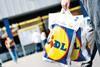
The warning came as value specialist Lidl achieved a record market share of 8.3% – up from 7.8% a year ago – the Wordpanel data showed.
Altogether, take-home sales at the grocers rose 5.4% in the four weeks to July 13.
Worldpanel head of retail and consumer insight Fraser McKevitt said: “Just under two thirds of households say they are very concerned about the cost of their grocery shopping, and people are adapting their habits to avoid the full impact of price rises.
“Own-label products, which are often cheaper, continue to be some of the big winners and sales of these ranges are again outpacing brands, growing by 5.6% versus 4.9%. These inflationary worries aren’t just changing what we buy, but how we prepare it too. We often see people choosing to make simpler meals when they are trying to save money, and today, almost seven in 10 dinner plates include fewer than six components.”
Tesco’s sales growth of 7.1% in the period was the fastest rate since December 2023, resulting in a share of 28.3%.
Ocado was once again the fastest-growing grocer. Its sales rose 11.7% while its market share advanced to 2% from 1.8% a year ago.


No comments yet