



















Friday’s vote on River Island’s restructuring plans is likely to go to the wire with disgruntled landlords set to vote against it, although a High Court ‘cramming down’ judgement could yet save the brand
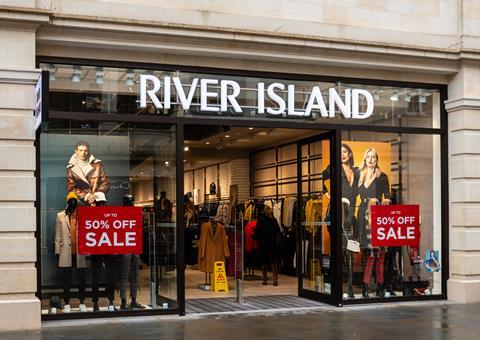
Multiple sources close to creditors have told Retail Week that Friday’s vote will be a close run and could potentially fail, as River Island’s turnaround plans face resistance from several key landlords.
Angry creditors mulling voting against the proposals feel the retailer already doesn’t pay enough rent on certain properties, and are unconvinced the brand’s restructuring plans can ensure its longer-term survival.
“It’s quite a drastic set of rent cuts and store closures,” said one retail property insider. “On that basis, I’m expecting quite a few landlords to vote against it. Particularly those affected by rent reductions.
“Some stores are moving to zero rent, which is a big blow – especially in locations where River Island previously paid a reasonable rent. So, I imagine there will definitely be dissent, and the vote will be quite divided”.
Another property source said River Island moved a lot of its existing leases over to turnover-based rents when it first proposed the restructuring plan in 2024. “If the turnover hasn’t significantly changed in that time, then why are the same terms they agreed 12 months ago now unsustainable?
“From a landlord’s perspective, that’s hard to accept. Many feel that River Island is a business that’s trying to take advantage of the situation. They’re thinking less about the viability of individual stores, and more about how they can squeeze landlords further.”
River Island has warned it could collapse within weeks if creditors don’t back the proposed rescue plan – which would shutter 33 stores, cut rents on a further 71 and write off debts.
In order for its restructuring plans to be approved, the retailer will need to win the backing of 75% of its predominantly landlord-based creditors.
In brief: How did River Island get to this point?
Retail Week looks at the timeline of how the one-time high street sweetheart found itself fighting for its own survival.
- Restructuring plan: River Island has circulated proposals for a restructuring plan to creditors, which includes closing 33 stores, seeking rent reductions on 71 more, and writing off debt. This plan is a proactive measure to place the company on a firmer financial footing.
- Financial distress: The retailer reported a pre-tax loss of £33.2m for the 52 weeks ending December 30, 2023, with turnover decreasing by over 19% to £578.1m. The company also faces a “funding need” of £10m by September 2025, projected to rise to £50m by the end of the year.
- Market shifts: A key reason for the restructuring is the well-documented shift in consumer behaviour from the high street to online shopping, leaving River Island with a large store portfolio that no longer aligns with customer needs.
- Rising costs: Soaring costs, along with increased competition from online and value retailers, have further added to the financial pressure on the business.
- Job implications: The proposed store closures and broader restructuring efforts place hundreds of jobs at risk, though the company aims to minimise redundancies. Affected stores are expected to remain open until January 2026, to maximise peak trading opportunities and realign stock.
- Leadership changes: In early 2025, Ben Lewis returned as chief executive, and Suzy Slavid was appointed trading managing director, as part of the ongoing transformation of the business.
High Court to the rescue?
While many of its landlords may be gearing up to take a stand against the restructuring plans, sources say that voting down the proposals wouldn’t be the end for River Island.
Property sources said they believe the High Court is likely to back the proposed changes regardless of the outcome of tomorrow’s vote.
The proposed restructuring plan, seen by Retail Week and sent to creditors on June 20, is filed under Section 26A of the Companies Act 2006, which enables something called a ‘cross-class cram down’.
This would allow the High Court to sanction the plan, even if some classes of creditors or shareholders were to dissent.
“It’s why River Island have structured it this way,” said a property source. “It’s easier to convince the court to back something that will save jobs and stores on the high street than it is to convince people you owe money to.”
A spokesman for River Island said the High Court will make a judgement on the plans on August 7, and will “take on board creditor voting”.
Other recent retail turnaround plans have utilised the ‘cramming down’ structure to better increase the odds of being waved through, including Dobbies, Superdry and Poundland. Both Dobbies and Superdry’s proposals were approved by the High Court, while Poundland is waiting for a ruling in late August.

No comments yet