

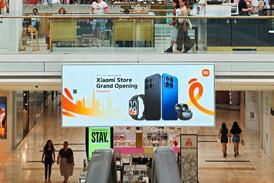











New polling data from Barclays shows that 24.6ºC is their ideal summer temperature, but they are only happy to shop until the weather goes a little bit higher than that
London is gearing up for another heatwave this week, with temperatures set to peak around 36ºC on Thursday. As part of their latest consumer spending report, Barclays polled UK consumers about their maximum temperature for daily activities.
While the population can handle shopping at marginally higher temperatures than they are willing to tolerate for commuting, working from home, sleeping, cooking or exercising, the 25.1ºC they said is the hottest it can be for retail is way below the maximum temperatures reached in many British cities over the past few months.
The wider Barclays data showed retail consumer card spending increasing by 2.1% year on year in July, marginally ahead of the 1.9% uplift seen in June. One in five UK adults said that they had refreshed their wardrobe with light and cool summer clothes because of the heatwave. Spending at garden centres meanwhile was up by 4%.
“Card spending strengthened further in July, reaching its highest level for 12 months, with both essential and non-essential spend remaining in growth. Multiple factors played a part, with UK staycations, continued warm weather and England’s World Cup run lifting spending on travel, hospitality, everyday essentials and seasonal retail categories,” said Rohan Kumar, head of spend insights at Barclays.
The data is still tracking below the latest CPI rate of inflation, which came in at 2.6% in the 12 months to June. However, confidence in the strength of the UK economy reached 30 per cent in July, a 21-month high and a rise of six percentage points on the June figure.
Separate data released today by the British Retail Consortium was more pessimistic, showing UK retail sales growing by 1.3% in July. This came in below the 12-month average growth of 1.8%, though the BRC said that the final week of the World Cup helped drive up food sales.
“Non-food sales were hit by the decline in footfall as shoppers avoided the heat. Clothing was a bright spot, driven by demand for affordable summer essentials, while footwear struggled to keep up,” said Helen Dickinson, chief executive at the BRC.




No comments yet