
















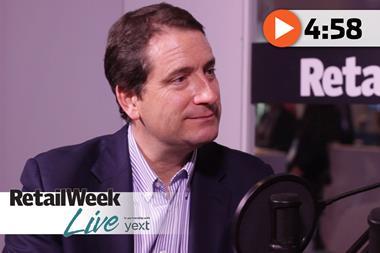
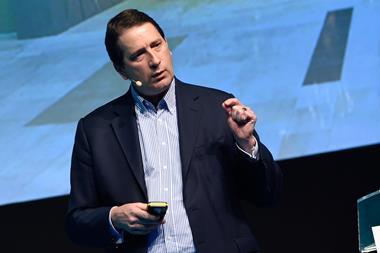
Retail is lagging behind when it comes to advancements in automation and artificial intelligence, with productivity savings to be had from employing the tech, says KPMG Boxwood partner Matt Clark.
Speaking at Retail Week Live, Clark said retail has been slow to adopt new innovations.
“Other industries have adopted these technologies much faster,” he said.
Clark added: “If ever there was time to look at radical productivity and savings then now is it, and cognitive automation is one of those options from a technology perspective.”
“The older generation in retail isn’t used to failure. But being successful in these types of technologies demands an agile mindset”
Matt Clark
Robots, driverless vehicles and chatbots were all examples he highlighted to delegates. “Now is the time to intelligently apply some of these operations,” Clark said. “There is a lot of things out there that could be helpful for most retailers.”
However, he added there is no clear path to take. “The win, match, follow piece is the best direction you can follow.
“Things will fail, it is undoubtedly going to happen. The older generation in retail isn’t used to failure. But being successful in these types of technologies demands an agile mindset.”
Industry technical leader for the consumer industry at IBM UK Tony Morgan said: “A lot of retailers are looking at this technology now, but it’s about looking at how you can do this quickly and cost effectively.”
When looking to adopt new technologies, Morgan said: “It is important for retailers to think about what is the most important thing in their context”.
He added: “At its heart retail is fundamentally a people business. It’s not about putting everything in technology, but using the technology to help people.”
Hema has used artificial intelligence in its recruitment process to great success. Chief executive Tjeerd Jegen said: “By no means are we at the forefront of it, but this discussion today is like a wake-up call.”
Productivity is one area that could benefit immensely from the emerging technologies, although some suggest it could lead to a change in the retail workforce.
“The unavoidable next stage is very few drivers in your transport division,” said Jegen. “That element in your retail set up will cease to exist in five to 10 years’ time.”


No comments yet