






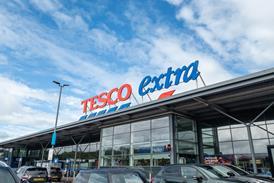









As ecommerce continues to impact retail footfall, developers are relying on food outlets and leisure to attract and retain consumers.
But plans often do not provide a wide enough range of engaging spaces to create a true destination where people want to spend time, missing the opportunity to create an environment where retailers can truly thrive and offer something the internet is unable to – the experience.
“It is all about finding the ‘magic ingredient’ and the distinctive element that makes a place different and worth visiting”
Chris Wieszczycki, TP Bennett
The retail landscape has changed dramatically, yet the industry seems compelled to provide more of the same, with retail schemes adhering to a repeated formula: attract the key retailers and the customers will follow.
This formula is founded on the idea that people choose shopping and eating as primary activities.
However, today’s consumer can do this from the comfort and affordability of their own home.
In order to compete with this challenge, town centres and high streets need to work harder and offer an entirely different experience.
Broadening appeal
Retailers should demand that developers apply the same degree of inventiveness to their designs as retailers themselves are doing with their evolving bricks-and-mortar offers.
Simply aiming to achieve the right tenant mix is no longer enough.
The infrastructure elements such as ample parking and easy access by public transport also have great influence on where people choose to visit, but the quality of the place, the attractive ambience, the right atmosphere and the variety of activities that people can enjoy is becoming equally important.
Designing places for street activity, concerts and ad-hoc outdoor performances, places to sit or simply lay down on the grass, places for kids to play and adults to relax will attract a far wider audience with which the retailers can engage.
It is all about finding the ‘magic ingredient’ and the distinctive element that makes a place different and worth visiting.
‘Destination placemaking’
Covent Garden, for example, is one of the most successful and busy shopping areas in London, yet people don’t tend to go there for shopping as their first priority. Its ‘magic ingredient’ is a mix of independent retailers and vibrant street life.
Similarly, London’s South Bank is among the capital’s more successful food and beverage destinations, yet people go there for a walk along the Thames, not with a specific purpose of finding a place to eat.
“The holy grail is to design a retail destination, which people simply love to visit, not necessarily with the intent to shop or eat but because they like to be there”
Chris Wieszczycki, TP Bennett
But the ‘magic ingredient’ of complimentary cultural uses, vibrant street life and open space drives people into restaurants and cafes.
Such ‘destination placemaking’ is about understanding the very people who use a place, and the creation of the physical environment that aligns with their aspirations and drives their behaviours.
The holy grail is to design a retail destination, which people simply love to visit, not necessarily with the intent to shop or eat but because they like to be there.
Give people a place where they want to spend time and they will naturally turn into customers.
- Chris Wieszczycki is principal director at architectural practice TP Bennett



No comments yet