














The British central bank said that CPI inflation “is judged to have peaked” as it narrowly voted to keep interest rates at 4%.
Annual CPI inflation as measured by the ONS was 3.8% in September, unchanged from the August and July figures despite widely held expectations of a rise.
In its quarterly report for its Monetary Policy meeting, the Bank of England (BoE) said: “Beneath the headline numbers, underlying price and wage pressures have continued to ease.” It added that it expected inflation to drop to near 3% in early 2026 before falling towards 2% over the subsequent year.
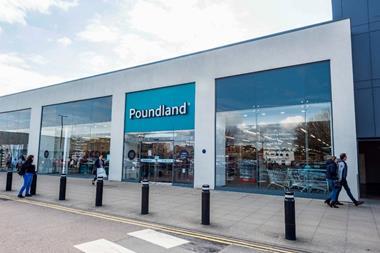
However, food price inflation is expected to remain elevated. This is partly due to global factors, the bank says, with increased prices for butter, beef and veal, chocolate and coffee alone contributing nearly two percentage points to the 4.5% annual rate of grocery inflation.
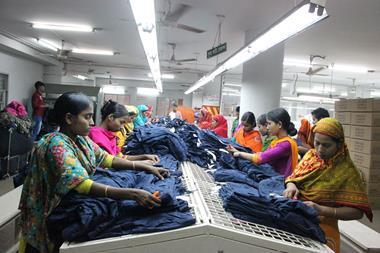
However, the BoE added that many of the additional costs the retail sector has been complaining about since the autumn 2024 Budget are having an effect too. Annual wage growth in the food manufacturing sector is running above aggregate wage growth, due to the higher skew towards workers paid the National Living Wage (NLW).
“Recent changes to the threshold at which employers start paying NICs are also likely to have disproportionately affected supermarkets. In addition to labour cost increases, contacts of the Bank’s Agents suggest the introduction of Extended Producer Responsibility regulations will continue to push up food prices in the coming months.”
Policymakers at the bank voted 5-4 to keep interest rates at 4%, with BoE governor Andrew Bailey saying he would like to “wait and see” if price rises continued to ease.
The report also said that “Consumer spending indicators point to consumption growth remaining relatively weak in the near term” but added that expected falls in interest rates may support a “gradual pickup” over the coming quarters.



No comments yet