















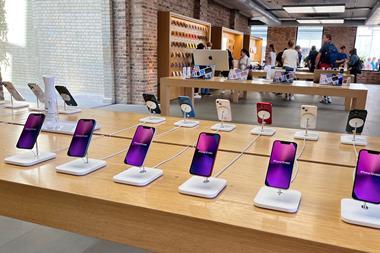
Apple has unveiled a more affordable version of its iPhone 16, bringing AI capabilities to a lower price point.
The new iPhone 16e maintains the same processor and storage configurations as its premium counterpart, though with reduced specifications in other areas, including a simplified camera.
The launch comes as Apple seeks to reinvigorate consumer interest following declining iPhone sales in late 2024. The company hopes that offering advanced AI features in a more accessible price range will boost adoption, though market analysts remain sceptical about AI’s impact on sales figures.
The device’s naming echoes Apple’s previous SE line of budget-friendly iPhones, which were available from 2016 to 2022. The iPhone 16e will be released across 59 countries, with pre-orders starting 21 February. In the UK, it will retail at £599 - £200 below the iPhone 16’s price point, though significantly higher than the original iPhone SE’s 2016 launch price.
Industry analyst Paolo Pescatore sees the device as a strategic move and told BBC News: “This now becomes one of the most affordable powerful iPhones now on the market. The move should help accelerate adoption and especially its foray into AI with Apple Intelligence.”
However, some experts question consumer interest in AI features, noting Apple’s substantial £150bn investment in AI development over ten years.
The launch marks Apple’s first use of in-house modem technology, replacing previous reliance on Qualcomm and Intel chips. The shift could reduce licensing costs, a historic point of contention with Qualcomm, while advancing CEO Tim Cook’s 2009 vision of greater control over the brand’s core technologies.
Earlier this month at Retail Week x The Grocer Live, Currys chief executive Alex Baldock told the crowd he believed that AI would be the ‘single biggest tech trend since the tablet’ as more customers adopt AI products.
Baldock said more customers want to find out more about increasingly popular AI mobiles and laptops.
“We think this is going to be the single biggest tech trend since the tablet in 2010,” he said.


No comments yet