









Shop price inflation decreased year on year in the first week of October, providing relief for retailers heading into Halloween and the rest of the golden quarter.

Inflation decreased to 1% in the first week of October, compared to a 1.4% growth for the same period in September, according to the latest BRC-NIQ Shop Price Monitor.

Non-food inflation decreased to -0.4% year on year, compared to a -0.1% decrease in September.

While food inflation remained stubbornly high, it also fell during the period. It decreased to 3.7% in October, compared to 4.2% growth in September.


However, fresh food inflation increased to 4.3%, just ahead of the 4.2% three-month average increase. Ambient food inflation decreased 2.9%.

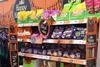
BRC chief executive Helen Dickinson said: “Overall shop price inflation slowed in October, driven by fierce competition amongst retailers and widespread discounting. While food inflation remains high, especially for fresh food, where prices continued to rise, it eased for ambient goods. Easing global sugar prices helped bring down prices of chocolate and confectionery, a treat for those preparing Halloween parties. Beyond food, discounts came early to electricals and health and beauty, as retailers started promotions ahead of Black Friday month.

“The IMF recently warned that UK inflation will be the highest in the G7. With the Budget less than a month away, the chancellor has an opportunity to relieve some of the pressures that are keeping the cost of essentials high. Labour’s promised business rates reform must deliver a meaningful cut to retailers’ rates bills and ensure that no store pays more. Rising employer national insurance contributions and a new packaging tax have directly contributed towards rising inflation, according to the Bank of England. Adding further taxes on retail businesses would inevitably keep inflation higher for longer.”