












Nike is to end its supply agreements with dozens of independent retailers as it accelerates efforts to sell more of its products direct to consumer.
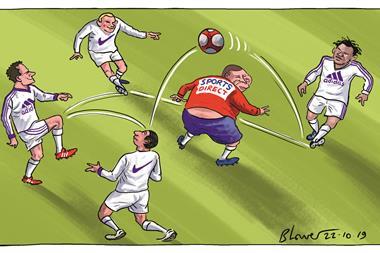
The sportswear giant has told smaller retailers that access to its products will end in two years – placing the likes of Sports Direct and JD Sports on red alert that it could also scale back its agreements with larger retail customers.
Nike has previously revealed plans to make 50% of its sales through its own stores and ecommerce platform in a bid to take greater control of its distribution and boost margins.
As part of that push, the business has written to independent retailers to inform them that they will no longer receive Nike goods.
In a letter seen by The Sunday Times, Nike said that independent retailers’ way of stocking goods was “no longer aligned” with its distribution strategy.
Termination of such deals could begin as early as next year but will be completed by 2021.
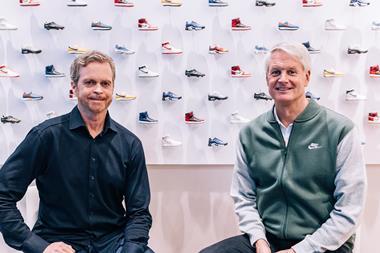
The move forms a key part of Nike boss Mark Parker’s plans to reduce the number of retailers it uses across the globe and build a more direct relationship with its customers.
Nike first unveiled the distribution strategy back in 2017, when then brand president Trevor Edwards warned that “mediocre” retailers would not survive the cull.
Retailers are concerned that Nike’s main sportswear rival Adidas could take a similar route.
The heavyweight brands, which between them banked around £50bn in sales last year, have already blocked their wholesale customers from selling their goods on Amazon or eBay.
Product access
Sports Direct has admitted that its “elevation” strategy is being slowed down by big brands’ reluctance to supply it with their best products.
Sports Direct’s head of elevation Michael Murray said at the time of its full-year results in July: “Product comes when the new store comes. We’re working closely with [the brands] but it’s not fast enough. The level of product access that we are getting doesn’t justify the level of expenditure we are spending on these stores.
“Some brands have distribution policies within the sporting goods segment, which we are trying to overcome. Yes, we are a retailer of sporting goods, but we’re climbing more into the athleisure areas as well, so we don’t want to just be classified as a sporting goods retailer. Some brands are moving quicker than others in terms of releasing product to us.
“It’s a case of transitioning from the old business model to the new business model as quickly as we can, as cost effectively as we can and building that confidence with brands as quickly as we can.”
In contrast, access to Nike’s most desirable products has helped boost JD Sports’ sales as well as its reputation as the ‘king of trainers’.
Nike and Adidas’ strategy of controlling the distribution of its top-tier products in such a way could come under scrutiny as part of a competition probe into JD’s acquisition of Footasylum.
The Competition and Markets Authority has launched a phase two investigation into the proposed deal, which it aims to conclude by March next year.

No comments yet