


















Supermarkets could soon gain expanded rights to open stores in areas where Aldi and Lidl dominate, as regulators consider implementing new restrictions on the discounters.

The Competition and Markets Authority (CMA), is reportedly examining rules that prevent major supermarkets from blocking competitors from opening nearby locations, according to The Telegraph.
The CMA’s current “restrictive land clauses” regulation requires supermarkets to allow rival stores to open in their vicinity without opposition, promoting competition that benefits shoppers. However, this rule only applies to seven British retailers: Tesco, Sainsbury’s, Morrisons, Asda, Waitrose, Marks & Spencer and the Co-op.
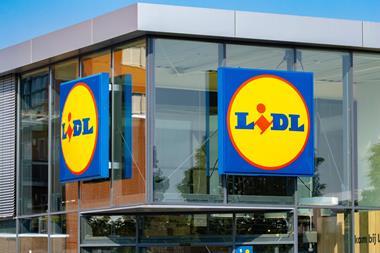
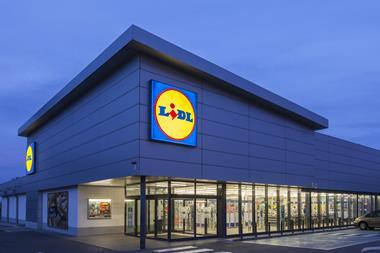
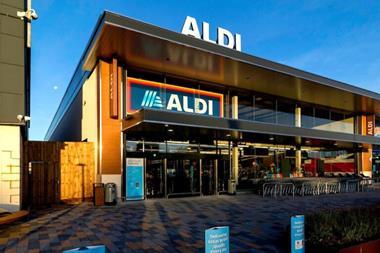
Aldi and Lidl are exempt from these regulations, allowing them to expand their store networks without following the same rules. Under the current framework, the seven British supermarkets cannot include contractual clauses in their property deals that would prevent competitors from opening in the same area.
All seven have had to revise contracts to comply with the order, which the CMA implemented so “shoppers have more choice and so benefit from a wider range of groceries and access to cheaper prices”.
However, supermarket executives have grown increasingly frustrated over what they view as an uneven competitive landscape with Aldi and Lidl. The discounters were exempt because they had minimal UK presence when the regulation took effect in 2010.
Since then, Aldi has surpassed Morrisons to become Britain’s fourth-largest grocer, while Lidl ranks sixth. Together, they control nearly 20% of the grocery market. Lidl operates more than 960 stores and Aldi exceeds 1,200, compared to Asda’s 1,100 and Sainsbury’s 1,400 locations. Both discount chains plan to open hundreds more stores.
Retail leaders claim Aldi and Lidl are now using these same restrictive clauses to prevent competitors from opening stores near them in retail parks. Iceland’s executive chair Richard Walker last year accused the discounters of using “legal tricks” to block rivals from entering out-of-town shopping centers.
The competition watchdog has reportedly told supermarket executives it is reviewing the policy and acknowledges their frustration over the differential treatment. Regulators are considering whether to extend the rules to include Aldi and Lidl given their growth since 2010, or whether to remove the restrictions for all supermarkets.
The CMA said it wants to ensure the restrictions remain appropriate and effective at encouraging competition. Supermarket insiders expressed hope that the CMA might eliminate the restrictions, aligning with Labour’s directive for regulators to reduce bureaucracy.
In February, Business Secretary Jonathan Reynolds instructed the CMA to become “more agile” and focus on reducing burdens on businesses. The government replaced CMA chair Marcus Bokkerink earlier this year with former Amazon executive Doug Gurr.
A CMA spokesperson told The Telegraph: “The Groceries Market Investigation (Controlled Land) Order plays an important role in maintaining competition between supermarkets, which is crucial to the finances of families across the country. We are aware of concerns that the Order should cover more supermarkets, due to changes in the groceries sector, and we always keep this under review to ensure a level playing field.”


No comments yet