





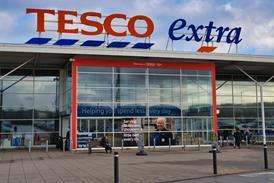




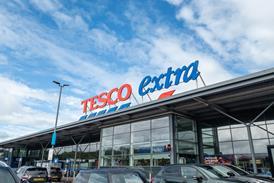









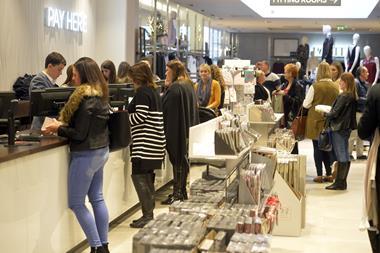
Shoppers are expected to belatedly hit the high street in force from today, and retailers are banking on the last-minute rush to bolster seasonal performance.
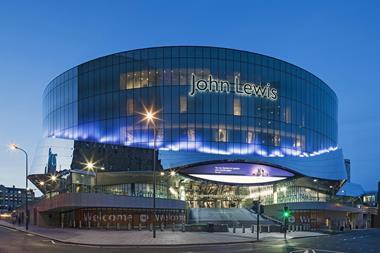
Shoppers’ shift into physical stores is partly being driven by the passing of deadlines for standard online delivery, although ecommerce will still play a part – John Lewis, for example, has extended its click-and-collect order cut-off by 24 hours to Saturday 23 at 8pm.
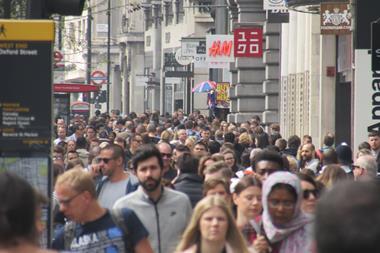
Shopper numbers are expected to surge 7.8% year on year across all shopping destinations in the week to Friday December 22, according to Springboard, as consumers complete last-minute gifting. The greatest jump will be on the high street, it predicts – up 10%.
Footfall is expected to reach a peak on Friday but, according to Springboard, will drop off over the weekend when many people will travel to spend the holiday with friends and family.
However, some retailers, such as Marks & Spencer, still expect the busiest day for in-store purchases of food, clothing and home products to be Saturday 23 because Christmas Day falls on a Monday this year.
Trading on Christmas Eve may be impacted by Sunday trading rules. Springboard forecasts that overall shopper numbers will drop 2.4% year on year on Sunday, despite an anticipated 2% rise at shopping centres.
The changing shape of Christmas shopping
The last-minute nature of Christmas shopping this year has been exacerbated by the heavy snowfall, which dampened footfall on the third weekend before Christmas, and the rise of Black Friday.
“Black Friday is not just a day, but a week’s worth of discounting. Shoppers aren’t going to come back and shop with you on full price after that”
Fashion chief executive
It remains to be seen whether Black Friday will simply have shifted spend, and the impact that discounting across the industry may have had on golden quarter margins.
According to Mountain Warehouse boss Mark Neale, the shape of Christmas has changed in recent years.
What used to be a “gradual build-up from November onwards”, he said, is now more like a U-shape typified by “the Black Friday spike followed by two or three quiet weeks before another late flurry of activity”.
One fashion chief executive said there had been a “lull” since Black Friday, which had led many retailers to go into Sale. “Black Friday is not just a day, but a week’s worth of discounting. Shoppers aren’t going to come back and shop with you on full price after that,” he said.
“The entire high street is going to be on Sale from the third week of November through until Christmas going forward.”
Late but record-breaking
Hawkins Bazaar boss David Mordecai said that Christmas is “definitely late” this year, but this week is shaping up to “break all records”.
“It’s been about holding your nerve this year and waiting for the customers to hit the high street. We have done that but there are a lot of retailers that have turned to discounts early”
Hawkins Bazaar boss David Mordecai
He said: “It’s been about holding your nerve this year and waiting for the customers to hit the high street. We have done that but there are a lot of retailers that have turned to discounts early.”
Overall, he predicts it will be a “good Christmas rather than a massive hit”.
The Works chief executive Kevin Keaney said the retailer “recovered really well from the unwelcome pre-Christmas snow” to have the highest turnover week in its history last week.
Keaney expects The Works to “smash” those records again this week, as shoppers – albeit belatedly – swarm stores.
Opinions vary on how Christmas will pan out this year. Research compiled by IHS Markit for Visa found that Christmas spending is expected to fall for the first time in five years as economic uncertainty and the return of inflation squeeze consumer budgets.
Conversely, data from Deloitte suggested that consumers would increase their festive spending by 1.8% this year, spending an average of £544 each.
Barclays’ Christmas Confidence Survey found that half of all retailers said they were predicting an increase in sales over the crucial trading period, compared to last year, despite the turbulent trading environment.


No comments yet