


















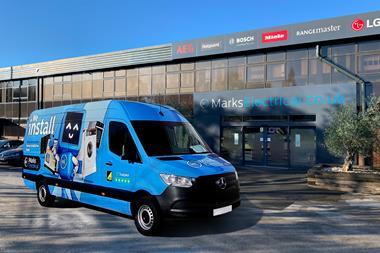
Marks Electrical has posted a dip in half-yearly profits despite a growth in sales as consumers traded down to non-premium products, reducing profit margins.
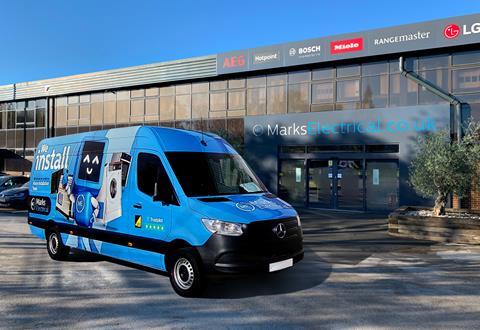
The pureplay electrical retailer posted an adjusted EBITDA of £2m in the six months to September 2024, down from £2.3m last year.
This was despite a total sales rise of 9.3% to £58.8m driven by strong volume growth as major domestic appliances and consumer electronics delivered 13% and 90% volume growth against last year.
Looking ahead, the retailer said it expects “to achieve revenue in FY25 of circa £120.0m with EBITDA in excess of £4.0m” affected by reduced average order values and increasing distribution costs.
Marks Electrical said it estimates the recent UK government’s autumn Budget to cost the business in the region of £0.75m per annum as the company takes on cost-controlling measures to “best manage the significant increases brought about by the recently announced rises to employer national insurance and the national minimum wage”.
Chief executive officer Mark Smithson said: “The first half has included two of the largest structural changes the business has seen, the departure from Euronics and the implementation of our new ERP system, but despite these, we continued to remain profitable and cash-generative and grew revenue by 9.3% to £58.8m.
“These investments, while involving short-term challenges, have been made to position the business for long-term success. They will ensure that Marks Electrical is well placed to benefit when broader market sentiment picks up and will give us even greater vertical integration, visibility and control, enabling us to deliver growth, returns and value for all our stakeholders.
“I’m proud of the strong operational focus demonstrated throughout the period by our team of dedicated colleagues, which has allowed us to maintain our 4.8 Trustpilot rating during what has been a challenging period of change for the business, and the patience of both our customers and suppliers during this period was highly appreciated.
“As the consumer has continued to trade down, we have evolved our business to meet those needs, perhaps leaning too much into non-premium products, which has led to erosion in our premium average order value. The knock-on implications of this on our distribution costs are something that we need to actively address moving forward by pivoting back to our historically premium-focused operating model.
“Whilst this pivot back to premium is likely to have an impact on the speed of our revenue growth, we are focussed on continuing to execute our strategy of driving profitable market share gains, ultimately enabling the Group to deliver long-term value creation and become the UK’s leading premium electrical retailer.”
Related Companies
- Previous
- Next



No comments yet