















Latest BRC-KPMG retail sales data

Retail sales cool as blazing hot summer ends
UK consumer demand cooled in August, as a summer marked by relentless heatwaves drew to an end.
The BRC-KPMG Retail Sales Monitor is a monthly measure of the sector’s UK performance, based on data shared with the British Retail Consortium by its members. The index was initially set up by the BRC as a way for retailers to benchmark their performance against that of the wider industry, but it has evolved to become a vital measure not only of the health of British retail, but of the wider UK economy. Retail sales growth was hampered throughout most of 2020 and early 2021 by the coronavirus crisis, as government imposed lockdown measures prevented non-essential retailers from opening physical stores.
UK consumer demand cooled in August, as a summer marked by relentless heatwaves drew to an end.
Advertisement

New polling data from Barclays shows that 24.6ºC is their ideal summer temperature, but they are only happy to shop until the weather goes a little bit higher than that

The new BRC numbers suggest retail sales grew faster than inflation in May, with year-on-year growth in non-food online sales hitting its highest rate since December, 2024

The twin bank holidays and a heatwave helped drive a jump in retail sales during May, according to the latest BRC-KPMG retail sales monitor.

Some Easter noise continues in the first signs of how sales fared last month, but there is evidence that the conflict in the Middle East has rattled consumers and potentially slowed sales

Travel spending dropped by 3.3% in March versus the year before, according to the latest Barclays consumer spend tracker, as more Brits opted for staycations.

The retail industry in February saw weak spending across many categories as the British Retail Consortium (BRC) warned that the conflict in the Middle East could “knock any recovery off course”.

Retail sales in January grew in the UK as customers waited for bargains, but the British Retail Consortium (BRC) warned that “many challenges remain” in 2026.

Total UK retail sales growth over the Christmas period was down year on year, as cash-conscious consumers waited to splash out on New Year sales.

Any hopes that consumers were saving their spending for Black Friday seem to have been unfounded, putting added pressure on the run-up to Christmas

There is a lot of uncertainty around Cyber Weekend this year, with the autumn Budget, consumer behaviour changing and how consumers access products, too. To unpick those trends, here is our bumper edition of Chart of the Week
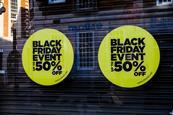
Retail sales in October grew at the weakest rate since May, with many consumers appearing to delay spending until Black Friday.

The rate of retail sales growth moderated in September as factors such as a looming Budget and warm weather affected trading conditions.

Hot and sunny weather combined with an interest rate cut helped build a “solid summer of sales” for retailers in August, according to the latest data.

UK retail sales in July increased year on year, as warm weather and higher prices across food provided a sales boost, according to the BRC-KPMG Sales Monitor.

The BRC-KPMG Sales Monitor, produced by the British Retail Consortium and KPMG, indicates that total retail sales in the UK have increased by 3.1% year on year in June, measured against a decline of 0.2% last year.

UK retail spending growth slowed to a crawl in May casting doubt on the strength of consumer resilience heading into the summer.

UK total retail sales soared in April as a mixture of sunny weather and a later Easter holiday saw customers spending big during the period.

Retail sales are showing signs of underlying strengthening of demand, according to the British Retail Consortium (BRC).

UK retail sales inched up in February, although gloomy weather hampered fashion and non-food categories were generally muted.

Retail braved a stormy start to the year to deliver strong trading as January sales drove the strongest performance by stores in nearly two years.