










The Government has rejected calls to replace business rates with a tax on sales, as suggested by the retail inquiry.
Responding to the findings of the retail inquiry led by the Business, Innovation and Skills select committee, the Government said: “The UK has a sales tax in the form of VAT. Introducing a new sales tax alongside VAT would be double taxation which the Government wishes to avoid.”
The inquiry had urged the Government to carry out a “wholesale” review of the business rates system which it said is “not fit for purpose”. It suggested the Government review whether the tax should be based on sales rather than property.
But the Government said: “Reforming the basis of business rates would be a significant undertaking. Creating a new tax based on sales is likely to be much more administratively complex and to have higher costs than the current system. Furthermore the Government believes that taxes on property are less distortive and less harmful for growth than other taxes.”
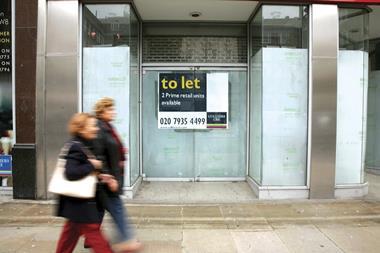
Retailers have raised concerns over high business rate bills which they say are restricting investment and job creation.
Jerry Schurder head of rating at business rates expert Gerald Eve criticised the response for its “lack of ambition”.
“With any changes deferred until after the 2017 revaluation, business rates have effectively been kicked into the long grass, which will be a concern to struggling retailers who need to see reform sooner rather than later,” he added.
BRC director general Helen Dickinson said: “Earlier this year the BIS Select Committee joined us in highlighting how Business Rates represent the principal threat to the survival of retail businesses and that fundamental reform was needed.
“We are pleased at today’s acknowledgement of the need for reform. At the same time, there is a strong case to go further than the potential measures outlined in Government’s business rates Administration Review and the accompanying short term reliefs announced in the Autumn Statement.”
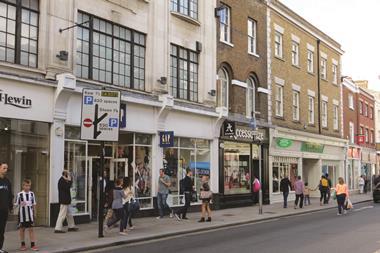
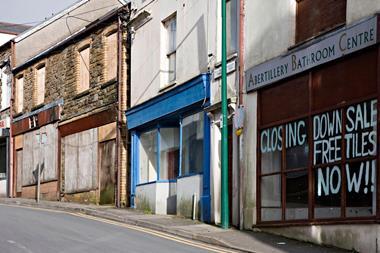
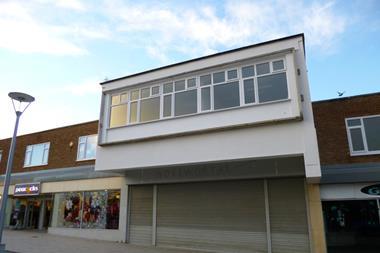
Other key concerns covered by the paper include the survival of the high street and Portas Pilots, the BIS retail strategy, local enterprise partnerships and retail skills.
The Government revealed that 54% of the 27 Portas Pilot towns had spent their funding.
It added: “Many pilots are still delivering their work programmes; there was no formal limit to the time in which the pilots had to spend their funding. The Government would rather that the pilots spent the money in the most effective way, than rush spending to meet an arbitrary deadline.”
Additionally, the Government declined to accept the retail sector into its industrial strategy programme, which the inquiry had suggested it do “at the earliest opportunity”. The Government said it “must avoid interventions that could have adverse consequences”. And has agreed actions with the British Retail Consortium (BRC) and Association of Convenience Stores through its report “A Strategy for Future Retail”.
1 Reader's comment