















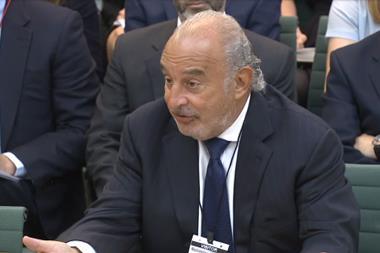
The Pensions Regulator has pointed the finger of blame at Sir Philip Green, claiming he sold BHS to avoid the burden of paying its insolvent pension schemes.
According to a report published by the regulator, the Arcadia tycoon’s main purpose for selling the now-collapsed department store chain was to avoid taking responsibility for its pension schemes, BBC reported.
“The main purpose of the sale [of BHS] was to postpone BHS’ insolvency to prevent a liability to the schemes falling due while it was part of the Taveta group of companies ultimately owned by the Green family, and/or that the effect of the sale was materially detrimental to the schemes,” the regulator said.
Warning notice
Its report on BHS also gives, for the first time, some details of the warning notice the regulator issued to Green last November as negotiations over resolving the retailer’s pension scheme deficits rumbled on.
After six offers by Green were reportedly rejected, the regulator launched legal action against him.
Only then did Green make the voluntary contribution of £343m to plug the BHS black hole.
Read more: MPs attack the terms of BHS pension deal
Regulatory officials conceded they “could have been quicker and more proactive” in the early stages of BHS’ collapse.
A spokesman for Green said: “This is the first and possibly the only time that a private individual, who has not been found to have done anything wrong, has voluntarily rescued a pension scheme.
“The matter is now closed.”
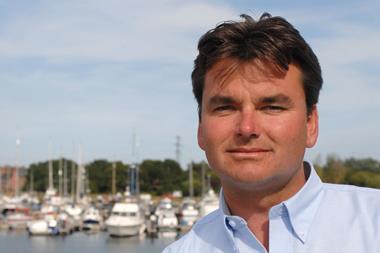
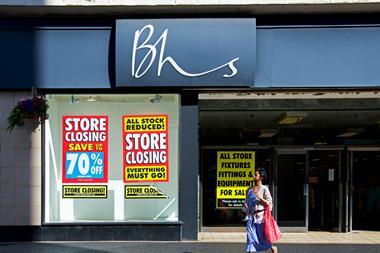
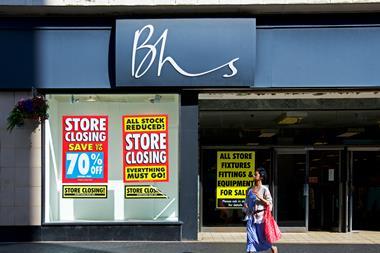
The sale of BHS for £1 to a former bankrupt, Dominic Chappell, and its collapse a year later along with its two pension schemes led to one of the biggest retail scandals of the past decade and the eventual loss of 11,000 jobs.

3 Readers' comments