










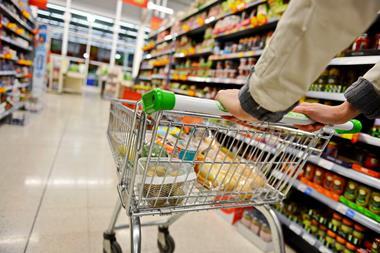
Take home grocery sales in January jumped, driven by a surge in customer spending on promotional products and on healthy food and alcohol-free drinks.
For the four weeks to January 26, grocery sales rose by 4.3% while grocery price inflation slowed to 3.3% over the same period, according to Kantar’s grocery market share data.
At a time when household budgets are stretched, this January was no exception and consumers reacted by spending over £274m on promotional products – accounting for 27.2% of the total grocery sales in the period, the highest level seen since January 2021.
Kantar’s head of retail and consumer insight Fraser McKevitt noted that: “people also turned to non-branded products to help keep costs down, with own label as a proportion of sales hitting a record high of 52.3% in January. Spending on supermarkets’ own lines was up 5.4%, helped by consumers buying premium own label products in the couple of days leading up to New Year’s Eve.”
Shoppers also had “an eye on wellness, not just their wallets” in January, with more than 10% of the average consumer’s grocery bill being spent on fresh fruit, vegetables and salad – totalling £1.2bn in spending.
Sales of low and no-alcohol drinks were 7% higher than last January, and 6.7% of households bought at least one of these alternatives during the period.
McKevitt said: “It’s no surprise to see the low and no alcohol trend make its mark in January, but given some of the generational splits we have seen in grocery, it’s interesting that older shoppers are just as likely to take these products home as younger ones. Not everyone signed up for dry January though, with 49% of people buying an alcoholic drink this month – but this is a pretty big drop from December’s 76%.”
Asda’s struggles laid bare
Of all the major grocery chains over the period, only Asda’s sales retreated in January, laying bare the scale of the issues facing the Leeds-based supermarket chain.
Asda sales in the 12 weeks to January 26 dropped 5.2%, while its market share dropped to 12.6%. Morrisons sales were flat over the same period, as the grocer battled to right an IT issue which hampered online deliveries and its More Card membership scheme.
The UK’s largest grocer Tesco gained the largest share of the grocery market in the period, while Ocado was the fastest growing retailer in the country for the ninth consecutive month.
Tesco took an extra 0.7% share in the market to finish the period with a 28.5% market share – its fastest rise in sales since April 2024 at 5.6%.
Spending at Ocado grew 11.3% during the period, meaning the pureplay grocer now holds 1.9% of the market. Lidl meanwhile marked three consecutive years of grow, with sales jumping 7.4% over the 12 weeks to January 26.
Aldi finished the period with a 4.2% increase in sales, increasing its market share to 10.2%, while Marks & Spencer reported a 10.5% jump in grocery sales from its bricks-and-mortar stores.
No comments yet