



















Fashion retailers are grappling with mounting piles of unsold stock as improving supplier delivery times and weakening consumer demand impact inventory levels.
The shortening of lead times from East Asia has left retailers receiving new stock earlier than expected while many are still clearing last year’s delayed stock following supply chain snarl-ups.
The situation has hit a number of fashion chains at a time when consumers are reining in their spend as the cost-of-living crisis bites.
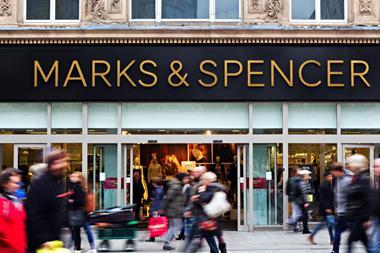
According to The Sunday Times, Marks & Spencer has postponed existing orders and delayed finalising its orders for next year. It has already started discounting coats, jackets and boots by 20% after mild weather during October and early November hit demand for winter ranges.
An M&S spokeswoman said: “Sector-wide, lead times are normalising post-Covid and this means, like other retailers, we are having to readjust stock flow.”
The high street giant posted a 14% uptick in clothing and home sales during the six months to October 1, and admitted that “quicker supply chain lead times than last year” had resulted in “early arrival of stock”. However, it insisted the number of items it was holding in stock was lower than pre-Covid levels and that current inventory levels were ”in line with seasonal plan”.
Next, which rakes in 41% of its online sales from third-party brands, has returned some stock to those brands to free up warehouse space.
The retailer told The Sunday Times it had only returned a “very small” amount and insisted inventory was at planned levels.
One high street boss said lead times for goods from East Asia had shortened to around seven weeks, compared with 11 during the summer.
It has left many retailers receiving stock quicker than expected at a time when they are still clearing last year’s delayed stock and consumers are reining in their spending as the cost-of-living crisis bites.
Asos, for instance, said last month that it was sitting on £1.08bn at the end of its financial year on August 31 – a 34% spike year on year.
It blamed the increase on a slowdown in demand, increased returns, supply chain delays in its previous financial year and the early receipt of stock that had been ordered for 2022/23.
- Get the latest fashion news and analysis straight to your inbox – sign up for our weekly newsletter





2 Readers' comments